
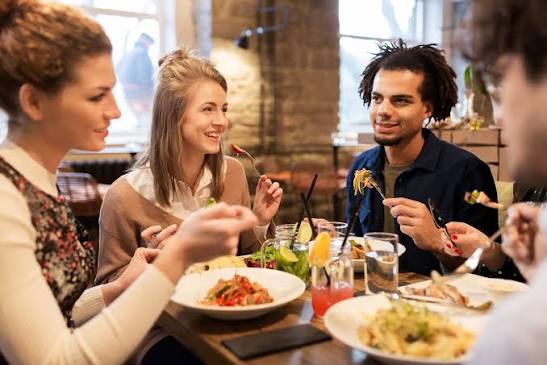
Restaurant meals can quietly become one of the largest flexible costs on a vacation. Expensive vacation dining is easier to control when you decide which meals deserve extra spending and which ones simply need to be convenient, filling, and affordable.
The goal isn’t to avoid local food. It’s to spend deliberately instead of paying premium prices every time hunger strikes.
Decide Where the Food Budget Matters Most
Start by choosing one meal each day where atmosphere, local cuisine, or a special restaurant matters. Lunch and dinner don’t both need to become major dining events.
Breakfast is often the easiest place to save. A bakery, grocery store, hotel kitchenette, or simple café can cost far less than a full table-service meal in a tourist district.
While comparing general online reference points during trip planning, keep your dining budget separate from attractions and transportation. Seeing food as its own category makes overspending easier to notice.
Move Away From High-Traffic Tourist Areas
Restaurants beside famous attractions often benefit from convenience more than repeat customers. Walking several blocks into residential or business streets may reveal simpler menus and more ordinary pricing.
Don’t assume every side street is cheaper, though. Check menus before sitting down and pay attention to service charges, minimum orders, or fixed-menu requirements.
A little planning through a digital content resource can also remind you to compare neighborhoods rather than choosing the first restaurant you see.
| Dining Choice | Potential Benefit | Possible Tradeoff |
|---|---|---|
| Grocery breakfast | Lower daily cost | Less restaurant atmosphere |
| Lunch special | Better value | Limited hours |
| Shared dishes | Controls spending | Portions vary |
| Tourist-area restaurant | Convenient location | Often higher cost |
Use Lunch as Your Main Restaurant Meal
Some travelers automatically save their biggest restaurant experience for dinner. That can be expensive because evening menus may offer larger portions, longer service, and fewer value-oriented options.
Instead, consider making lunch the memorable meal and keeping dinner lighter. A substantial afternoon meal followed by sandwiches, snacks, street food, or groceries can reduce the day’s total without making the trip feel restrictive.
General web resource pages can sit alongside maps, saved menus, and your own notes as you build a realistic daily plan.
Watch the Small Extras
A reasonable entrée can become an expensive bill after drinks, appetizers, desserts, delivery charges, resort fees, or repeated convenience purchases.
Water, coffee, snacks, and late-night food are especially easy to overlook because each purchase seems small. Tracking them for even two days can reveal where the budget is disappearing.
Carry a Backup Snack
Keep something portable in your bag when appropriate. Hunger makes expensive convenience decisions much easier to justify.
A snack won’t replace a meal, but it can give you enough time to leave an overpriced attraction area and find a better option.
Where Vacation Food Budgets Often Go Wrong
Cutting every food expense can make a vacation less enjoyable. Travelers sometimes focus so heavily on saving that they skip regional dishes they genuinely wanted to experience, then spend the money elsewhere without noticing.
The opposite mistake is treating every meal as part of the vacation experience. Three restaurant meals, multiple drinks, and spontaneous snacks each day add up quickly. A better approach is selective spending: protect the meals you’ll remember and simplify the ones you probably won’t.
Frequently Asked Questions
How much should I budget for vacation food?
It depends on the destination, trip style, accommodation, and how often you plan to eat at restaurants. Build a daily amount before traveling, then leave some room for one or two special meals.
Is grocery shopping worth it on a short vacation?
It can be. Breakfast foods, bottled drinks, fruit, and snacks often require little preparation and can replace several convenience purchases even during a weekend trip.
How can families reduce restaurant costs while traveling?
Mix restaurant meals with groceries, shared dishes, casual lunches, and simple breakfasts. Checking menus beforehand also prevents arriving at places where prices don’t fit the family’s budget.
Spend Where You’ll Remember It
Saving money on vacation dining doesn’t require eating cheaply at every opportunity. Choose a few food experiences worth paying for, then make ordinary meals intentionally simple. Once restaurant spending becomes a planned choice instead of a repeated impulse, your travel budget becomes much easier to control.