
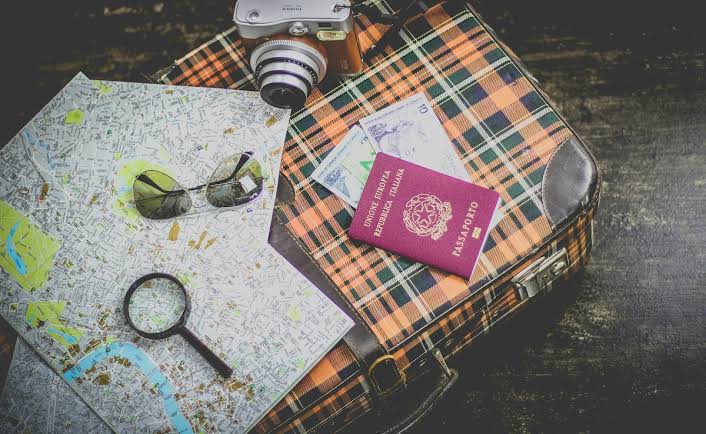
Border travel becomes far less stressful when essential documents are checked before you leave home. Passports, visas, permits, vehicle papers, accommodation details, and supporting records can all matter depending on your citizenship, destination, and method of travel.
A simple document routine helps prevent avoidable delays while leaving enough time to fix missing or expired paperwork.
Start With the Documents That Control Entry
Begin with your passport or other accepted travel document. Check the expiration date, condition, spelling of your name, and whether the destination requires additional validity beyond your planned stay.
Visa requirements deserve the same attention. Don’t assume a previous trip means the same rules still apply. Requirements may depend on nationality, travel purpose, length of stay, and the border being crossed.
| Document | Check Before Leaving | Common Problem |
|---|---|---|
| Passport | Validity and condition | Expired or damaged document |
| Visa or permit | Dates and travel purpose | Wrong or expired authorization |
| Booking records | Names and dates | Details don’t match passport |
| Vehicle papers | Registration and insurance | Missing cross-border coverage |
Build One Accessible Travel Document Set
Keeping paperwork scattered between email accounts, bags, and phone apps creates unnecessary pressure at checkpoints. Put your primary documents together and decide exactly where they will stay during the trip.
Some travelers also keep copies separately. Broader travel-planning perspectives can be useful when thinking through organization, but entry requirements themselves should always be confirmed through the relevant government authority.
Separate Originals From Backup Copies
Original passports and permits should remain protected yet easy to reach. Copies can be stored somewhere different so losing one bag doesn’t remove every record you have.
Digital copies may also help you retrieve identifying information, although a saved photograph generally does not replace an original document when an original is legally required.
Check That Names and Dates Match
Small inconsistencies can create large delays. Compare the name on your ticket, passport, visa, hotel reservation, vehicle booking, and any required authorization.
This preparation is easy to overlook when reading general trip preparation material, yet mismatched details deserve direct attention. A missing middle name may be harmless in one system and problematic in another, so investigate discrepancies before departure rather than at the checkpoint.
Check travel dates as carefully as names. Confirm when permission begins, when it expires, and whether it allows single or multiple entries if that distinction applies.
Plan for the Border Crossing Itself
Documents shouldn’t be buried beneath clothing or packed in checked luggage. Keep anything you may need during inspection within reach without leaving sensitive papers exposed unnecessarily.
Different border crossings may involve different procedures. Travelers exploring broader travel topics should remember that general travel advice cannot replace rules issued for their exact citizenship, destination, and transportation method.
If you’re entering the United States using a visitor visa, current State Department guidance lists required documentation and passport considerations. U.S. State Department visitor visa guidance
What Travelers Often Get Wrong
One mistake is believing that possession of a visa automatically guarantees admission. Entry decisions can involve document verification and other requirements at the border.
Another problem is relying on screenshots from blogs, old forum discussions, or advice from someone who traveled years earlier. Border rules can change, and requirements can differ between travelers who appear to be taking the same trip.
Check the responsible government authority close to departure instead of treating old information as permanent.
When Should You Seek Official Help?
Contact the appropriate embassy, consulate, immigration authority, or border agency if your documents are damaged, close to expiration, inconsistent, or difficult to interpret.
Professional legal guidance may be appropriate when travel involves unresolved immigration status, previous entry refusals, removal proceedings, unusual visa circumstances, or another issue with legal consequences. Don’t rely on general internet advice for a case that depends on individual immigration history.
Frequently Asked Questions
How early should I check border travel documents?
Start several weeks or months ahead when possible, particularly if a passport renewal or visa application could be required. Perform another document check shortly before departure.
Should I carry printed copies of travel documents?
Copies can be useful backups for reservations and identifying information. They normally shouldn’t be assumed to replace an original passport, visa, permit, or other document when an original is required.
Where should passports be kept while traveling?
Keep passports secure, dry, and accessible to the traveler who owns them. Avoid placing essential travel documents in luggage that may be checked, separated from you, or difficult to reach during inspection.
Make the Final Check Before Leaving
Set aside a few minutes before departure to compare your documents with the latest official requirements for your route. Confirm names, dates, validity, required supporting paperwork, and where each item is stored.
Good preparation won’t remove every delay at a border, but it can eliminate many problems you can control before the journey begins.
This article provides general travel information and is not a substitute for legal or immigration advice.