
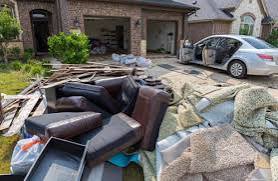
Floodwater can force quick decisions, especially when soaked flooring, damaged furniture, and standing water threaten further harm. Yet one of the most important early steps in a flood claim is creating a clear record of the loss before damaged materials disappear. Photos, video, written inventories, receipts, and communication records can make later claim discussions easier to follow.
Build a Record Before Conditions Change
Once it is safe to enter the property, photograph affected rooms from several angles. Capture wide views showing the overall damage, then take closer images of flooring, walls, appliances, furniture, and personal belongings.
For federally backed flood insurance claims, FEMA advises policyholders to document damaged property and retain information needed for the claim process. NAIC Content Keeping an organized digital folder can help prevent evidence from becoming scattered across phones, emails, and paper files.
Record What Cannot Be Saved
A damaged item may eventually need to be discarded for health or safety reasons. Before removal, record its condition, brand, approximate age, model information when visible, and any available purchase documentation.
Property owners researching broader legal and documentation questions may encounter resources such as estate law directories, but insurance coverage decisions should be based on the policy, claim documentation, and guidance from the insurer or an appropriate licensed professional.
Separate Emergency Protection From Permanent Repairs
Stopping additional damage is different from completing a full reconstruction. Removing standing water, covering an exposed opening, or taking other reasonable protective measures may be necessary before an adjuster completes an inspection.
Keep receipts for temporary work, equipment rentals, cleanup supplies, and emergency services. NAIC consumer guidance recommends making a list of damaged property and notifying the insurance company promptly because reporting requirements can vary. NAIC Content
| Documentation | Useful Detail | Why Keep It |
|---|---|---|
| Photos | Wide and close views | Shows original condition |
| Inventory | Item, age, model | Supports claimed property loss |
| Receipts | Cleanup and protection | Records expenses |
| Messages | Dates and responses | Tracks claim communication |
Read the Coverage Before Assuming What Is Paid
Flood damage can involve different insurance arrangements than ordinary homeowners losses. The exact policy language, exclusions, deductibles, limits, and applicable flood coverage determine what may be payable.
People organizing household records sometimes also review family legal information stored with other important documents. Whatever filing system is used, claim records should remain clearly separated so estimates, correspondence, photographs, and insurer requests can be found quickly.
Keep Every Version of Important Documents
Do not replace an older estimate simply because a contractor produces a newer one. Keeping both versions can help explain why costs changed.
The same applies to claim summaries, adjuster communications, receipts, and inventories. A chronological record is often easier to understand than a folder containing only the newest documents.
Communicate Carefully With the Insurer
Report the loss according to the procedures in the policy and respond to reasonable requests for documentation. Write down claim numbers, adjuster names, dates of calls, requested documents, and any deadlines communicated to you.
Broader insurance law resources may help consumers identify topics they want to discuss with a qualified professional, but they should not replace the actual policy or official claim instructions.
For consumer guidance on homeowners insurance and claims, the National Association of Insurance Commissioners provides information explaining deductibles, coverage, and claim considerations. NAIC homeowners insurance resources NAIC Content
Mistakes That Can Complicate a Flood Claim
Throwing away damaged belongings before documenting them can remove useful evidence. Another mistake is authorizing extensive permanent repairs without first understanding what the insurer wants documented or inspected.
Avoid guessing replacement values or changing descriptions simply to make a claim appear stronger. A claim record is most useful when it is factual, dated, and consistent with the condition of the property.
When Should You Get Professional Help?
Consider speaking with the insurer, a licensed public adjuster where permitted, or an attorney experienced in insurance matters when a significant claim is denied, payment calculations are disputed, important deadlines are unclear, or there is disagreement about coverage.
Immediate safety comes first. Do not enter an unsafe structure or expose yourself to electrical, structural, sewage, mold, or other hazards merely to collect claim evidence.
Frequently Asked Questions
Should I clean up before the insurance adjuster arrives?
Reasonable emergency cleanup may be necessary to prevent additional damage, but document conditions thoroughly first when it is safe to do so. Keep photographs, videos, damaged-item records, and receipts for emergency expenses.
Do I need receipts for everything damaged by a flood?
Receipts can be useful, but older belongings may no longer have purchase records. Photos, manuals, bank records, model numbers, prior inventories, and other documentation may help establish what existed before the loss.
Should I keep damaged materials after taking photographs?
That depends on safety conditions and insurer instructions. Some damaged materials cannot reasonably remain in the property. Before disposal, create detailed records and ask the insurer whether samples or additional documentation are required.
Protect the Evidence Before It Disappears
A flood claim becomes harder to reconstruct once damaged materials have been removed and rooms have been rebuilt. Create a factual record early, protect the property where reasonably possible, and keep every claim-related document together. If coverage, valuation, or claim-handling questions become serious, obtain advice appropriate to your specific situation.
This article provides general insurance and legal information and is not a substitute for advice from a licensed insurance professional or attorney.