
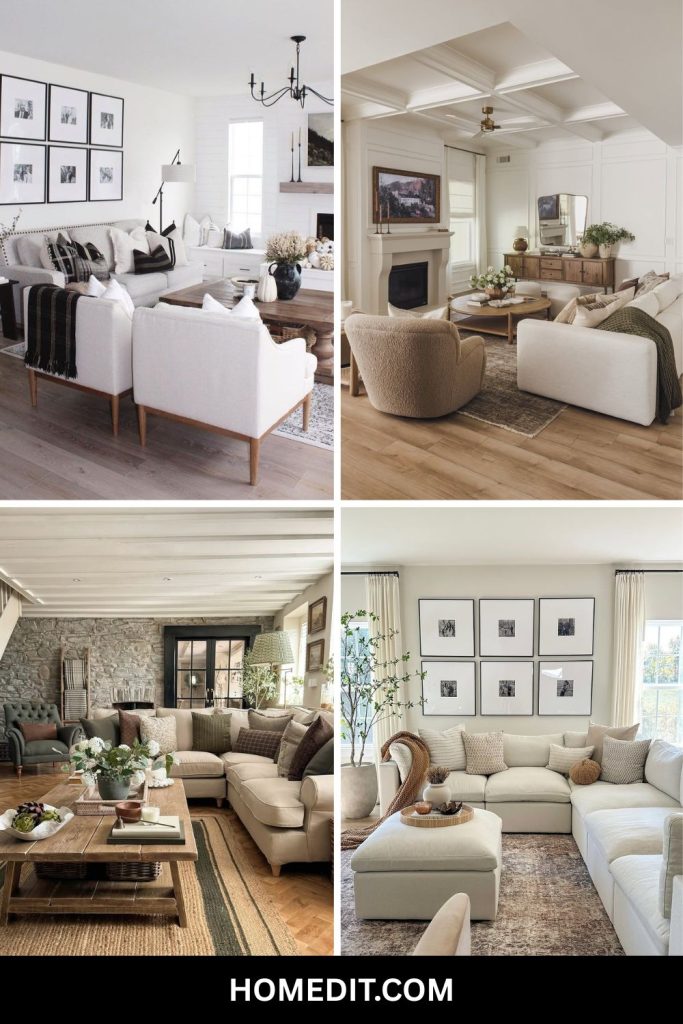
Modern living is shaped by hundreds of decisions that often seem too small to deserve much attention. From how we travel and shop to the way we manage our homes, technology, relationships, and free time, everyday choices gradually determine the quality and rhythm of our lives. As routines become busier and digital tools become more deeply integrated into daily activities, it can be useful to reconsider whether familiar habits still serve our needs.
Rethinking everyday choices does not necessarily mean making dramatic lifestyle changes. In many cases, small adjustments can create a more practical, comfortable, and intentional way of living.
Looking Beyond Convenience
Convenience has become one of the defining features of modern life. Food can be delivered within minutes, products can be purchased without visiting a store, and countless tasks can be completed through a smartphone. These services save valuable time, but convenience can also encourage automatic decision making.
Before choosing the fastest option, it can be helpful to consider what actually provides the greatest value. Cooking at home may require more effort than ordering a meal, for example, but it can offer greater control over ingredients and spending. Similarly, repairing an item rather than immediately replacing it may reduce unnecessary expenses and waste.
The goal is not to reject convenience. Instead, it is about deciding when convenience genuinely improves life and when another option might be more worthwhile.
Changing the Way We Move Around
Transportation is another area where everyday decisions have broader consequences. People often develop travel habits based on routine rather than reconsidering which option makes the most sense for each journey.
A reliable transportation guide can help people compare public transportation, cycling, walking, rideshare services, and private vehicle use according to distance, cost, accessibility, and convenience. Combining different transportation options may sometimes make daily travel more efficient.
Walking short distances instead of driving can also introduce physical activity into an otherwise sedentary day. Public transportation may provide time to read or catch up on simple tasks, while cycling can combine commuting and exercise. The most practical choice depends on personal circumstances, but questioning established travel routines can reveal alternatives.
Making Home Life Work Better
Homes have taken on more responsibilities in recent years. A single property may function as a workplace, study environment, entertainment area, exercise space, and family gathering place. As a result, thoughtful organization has become increasingly important.
Small improvements can often make a noticeable difference. Rearranging furniture to improve movement, creating dedicated storage, introducing better lighting, or turning an unused corner into a work area can make existing space more functional.
Lifestyle resources such as SydHub Sydney can also encourage readers to explore ideas related to city living, local activities, practical services, and changing urban lifestyles. Looking at how other people use their surroundings can inspire simple adjustments without requiring expensive renovations.
Parenting in a Rapidly Changing Environment
Families are also navigating challenges that previous generations experienced differently. Technology, changing work schedules, online learning, social media, and evolving expectations around family time have altered everyday parenting.
Parents increasingly have to decide how much screen time is appropriate, how to balance structured activities with free time, and how to create meaningful family routines around demanding schedules. Reading a parenting blog Australia audiences can relate to may provide useful perspectives on common experiences, from managing school routines to finding affordable family activities.
There is rarely one solution that works for every household. What matters is creating routines that reflect the family’s circumstances rather than automatically following trends or outside expectations.
Becoming More Intentional With Technology
Technology can simplify communication, work, banking, entertainment, and shopping, but constant connectivity can make it difficult to separate useful digital activity from habitual scrolling.
A practical approach is to give technology specific purposes. Notifications that provide little value can be disabled. Phones can be kept away during meals. Social media use can be limited to certain periods rather than filling every available moment.
Platforms and publications such as Melbwire can be part of the broader digital information landscape people use to discover stories, ideas, and developments. The important consideration is not simply how much information we consume, but whether that information contributes something useful to our lives.
Spending With Greater Awareness
Every purchase is another everyday choice capable of influencing long term financial habits. Small subscriptions, frequent takeaway meals, impulse purchases, and convenience fees can appear insignificant individually but become substantial when repeated.
More intentional spending does not require eliminating enjoyable purchases. It involves distinguishing between things that provide genuine value and expenses driven mainly by habit.
Waiting before making nonessential purchases, comparing alternatives, reviewing recurring subscriptions, and planning larger expenses can help people use their money more purposefully. These simple practices can also reduce clutter created by buying things that are rarely used.
Creating a Lifestyle That Can Evolve
Modern living will continue to change as technology, workplaces, transportation, cities, and social expectations evolve. A routine that works today may not remain practical several years from now.
That is why adaptability is becoming increasingly valuable. Periodically reviewing how we spend our time, money, attention, and energy can reveal habits that no longer fit our circumstances.
Rethinking everyday choices is ultimately about becoming more conscious of the small decisions that collectively shape life. Better living does not always require a major transformation. Sometimes, questioning familiar routines and making a few thoughtful adjustments is enough to create a lifestyle that feels more practical, balanced, and suited to the present.