
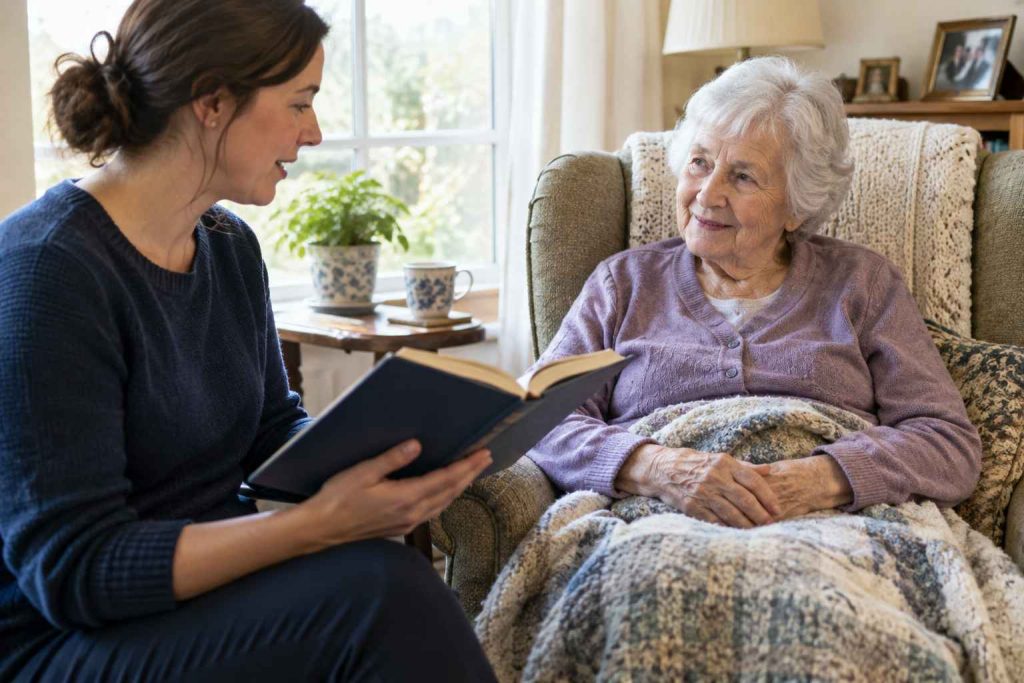
When an elderly parent repeatedly refuses to bathe, it can become a source of concern and frustration for the entire family. What once seemed like a simple daily routine may now involve arguments, anxiety, embarrassment, or fear. For many older adults, refusing a shower is not about being difficult. It may be a response to physical discomfort, declining mobility, memory problems, or a loss of independence.
Families facing these challenges can explore senior home care services from Maple Senior Home Care to arrange compassionate personal support worker (PSW) assistance in Toronto. Understanding why bathing has become difficult is the first step toward finding a solution that protects both personal hygiene and dignity.
Why Do Some Elderly Parents Refuse to Bathe?
Bathing resistance among older adults can have several underlying causes.
Physical limitations are particularly common. Arthritis, chronic pain, muscle weakness, and reduced flexibility may make stepping into a bathtub or standing under a shower uncomfortable.
Fear of falling is another important factor. A senior who has previously slipped in the bathroom may associate bathing with danger, even when family members believe the environment is safe.
Some seniors become increasingly sensitive to cold temperatures, water pressure, or the feeling of being undressed.
Cognitive changes can also affect bathing habits. A person living with Alzheimer’s disease may forget when they last showered, misunderstand instructions, or become frightened by an unfamiliar routine.
Rather than assuming that a parent is simply being stubborn, families should investigate the physical and emotional reasons behind the refusal.
How Can Families Discuss Bathing Without Creating Conflict?
Repeated reminders and arguments rarely improve the situation.
Instead, approach the conversation privately and respectfully. Ask whether your parent finds the shower uncomfortable, feels unsafe standing, or would prefer assistance with only certain activities.
Avoid statements that sound critical or embarrassing.
For example, asking, “Would you feel more comfortable washing in the morning or afternoon?” gives the senior some control over the situation.
Offering choices can be particularly effective because personal hygiene is closely connected to independence.
Older adults who have managed their own lives for decades may find it difficult to accept intimate assistance from their children.
Professional caregivers from Maple Senior Home Care can help families establish a more comfortable bathing routine without turning every attempt into a confrontation.
How Does Bathroom Safety Affect Bathing Resistance?
Bathrooms contain several potential fall hazards.
Wet floors, high bathtub edges, poor lighting, and insufficient support when standing can make bathing difficult for seniors with reduced mobility.
Families should consider whether the bathroom remains suitable for their parent’s abilities.
Possible improvements include properly installed grab bars, suitable nonslip surfaces, handheld showerheads, and shower chairs recommended for the individual’s needs.
An occupational therapist can assess whether equipment or bathroom modifications would make bathing safer.
It is also important to consider the temperature of the room and water. A bathroom that feels comfortable to a younger adult may feel unpleasantly cold to an older person.
These adjustments can make bathing less intimidating, although equipment alone may not solve problems involving weakness, cognitive impairment, or the need for hands-on support.
Can a Personal Support Worker Help With Bathing?
Yes. Personal support workers are trained to assist older adults with activities of daily living, including bathing, dressing, grooming, toileting, and appropriate mobility assistance.
A PSW can help prepare the bathroom, organize supplies, assist with washing, and support the senior according to their assessed physical abilities.
Importantly, professional personal care should preserve as much independence as possible.
A senior who can wash their face and upper body independently should have the opportunity to continue doing so.
The caregiver can concentrate on tasks that have become uncomfortable, difficult, or unsafe.
Maple Senior Home Care provides PSW personal-care assistance through individualized care plans developed with nursing oversight.
This approach allows bathing support to be combined with other necessary daily activities rather than treating personal hygiene as an isolated service.
Why Is Caregiver Consistency Important for Personal Hygiene?
Bathing is an intimate activity, and many seniors feel uncomfortable accepting assistance from unfamiliar people.
Having a different caregiver at every appointment may increase anxiety or embarrassment.
A consistent caregiver gradually learns the senior’s preferences, physical limitations, communication style, and established routine.
This familiarity can be particularly valuable for someone living with dementia.
Maple Senior Home Care emphasizes matching older adults with one consistent caregiver based on their needs, personality, routine, and language preferences.
Over time, the caregiver may recognize small signs that bathing is becoming uncomfortable, such as hesitation when standing or anxiety about entering the shower.
A familiar relationship can make it easier for seniors to communicate these concerns before they become larger problems.
What if Your Parent Has Dementia and Resists Showering?
Dementia-related bathing resistance requires additional patience.
A person with memory loss may not understand why someone is asking them to remove their clothes or enter an unfamiliar bathroom.
Long explanations can increase confusion.
Instead, caregivers can use short, reassuring instructions, demonstrate one step at a time, and maintain a predictable routine.
For example, preparing towels and clothing beforehand may prevent interruptions that make the person anxious.
Some seniors respond better to a seated wash or partial bathing routine when a full shower causes distress.
Never force a person into the bath or physically restrain them to complete personal hygiene.
The objective is safe, respectful support that considers the person’s emotional state.
Families should also seek medical advice when resistance develops suddenly alongside unusual confusion, pain, or behavioural changes.
How Can Bathing Assistance Protect a Senior’s Dignity?
Privacy should remain central to every personal-care plan.
Professional caregivers should explain each activity, obtain appropriate consent, and allow the senior to complete tasks independently whenever possible.
Towels, robes, and suitable coverings can reduce unnecessary exposure.
Caregivers should also respect preferences concerning the gender of the caregiver, language, bathing products, and the time of day.
Maple Senior Home Care considers these personal preferences during caregiver matching and care planning.
For some families, professional assistance reduces embarrassment because the parent feels more comfortable receiving intimate support from a trained caregiver than from an adult child.
For others, family involvement remains important.
The appropriate arrangement depends on the senior’s wishes and the level of assistance required.
How Often Should an Elderly Person Receive Bathing Assistance?
There is no single bathing schedule suitable for every older adult.
The frequency depends on skin health, continence needs, mobility, activity levels, medical conditions, comfort, and personal preferences.
Some seniors benefit from assistance with scheduled showers and independent washing between visits.
Others may require more frequent personal hygiene support, particularly when they experience incontinence or have difficulty changing clothing.
Families should avoid applying rigid rules without considering the individual’s needs.
Maple Senior Home Care can incorporate bathing assistance into a broader personalized home care schedule.
For example, a caregiver visit may include washing, dressing, breakfast preparation, and light household assistance.
This can provide more useful support than arranging separate visits for every individual task.
When Should Bathing Difficulties Be Discussed With a Healthcare Professional?
Certain changes require more than routine personal-care assistance.
Seek professional advice when an older adult develops unexplained pain, new confusion, skin wounds, persistent irritation, repeated falls, or a sudden inability to stand.
A clinician may need to investigate medical causes or recommend rehabilitation support.
A PSW can observe and report concerns, but should not independently diagnose skin conditions or mobility disorders.
The nurse-led approach used by Maple Senior Home Care allows personal support needs to be assessed alongside changes that may require professional clinical attention.
Families should also discuss whether a specific bathing or transfer technique is safe before attempting difficult movements.
How Can Toronto Families Introduce Bathing Support?
A gradual introduction is often more successful than making professional bathing assistance mandatory immediately.
Start with a conversation about what your parent would find helpful.
Arrange an introductory caregiver visit where possible.
The first interaction might involve companionship, preparing supplies, or helping with dressing rather than completing a full shower.
Explain the parent’s preferences and previous difficulties to the caregiver.
If the senior becomes distressed, the routine may need to be adapted.
Families in North York, Scarborough, Etobicoke, and East York can discuss these preferences with Maple Senior Home Care during the free in-home assessment.
The aim is to build a sustainable personal-care arrangement that the senior understands and accepts.
Frequently Asked Questions
Should I force my elderly parent to shower?
No. Forcing someone to bathe can create distress, damage trust, and increase injury risk. Identify the underlying reason for refusal and consider a safer alternative or professional assessment.
Can a PSW help an elderly parent who cannot stand in the shower?
A PSW may assist according to the person’s assessed mobility needs and approved care plan. If transfers are unsafe, a clinician should evaluate appropriate equipment and assistance requirements.
Does bathing assistance mean my parent needs full-time care?
Not necessarily. Many seniors require help with selected daily activities while remaining independent in other areas.
Arrange Personal Care Assistance in Toronto
Bathing resistance does not automatically mean an elderly parent can no longer live safely at home.
With the right assessment, bathroom adjustments, respectful communication, and appropriate assistance, many seniors can maintain comfortable personal hygiene routines.
Maple Senior Home Care provides PSW bathing assistance, dressing support, and other personal-care services throughout Toronto, including North York, Scarborough, Etobicoke, East York, and Midtown, as well as Mississauga, Brampton, Vaughan, Markham, and Richmond Hill.
To discuss your parent’s bathing difficulties or arrange a free in-home nurse assessment, contact Maple Senior Home Care at (437) 370-3710.