
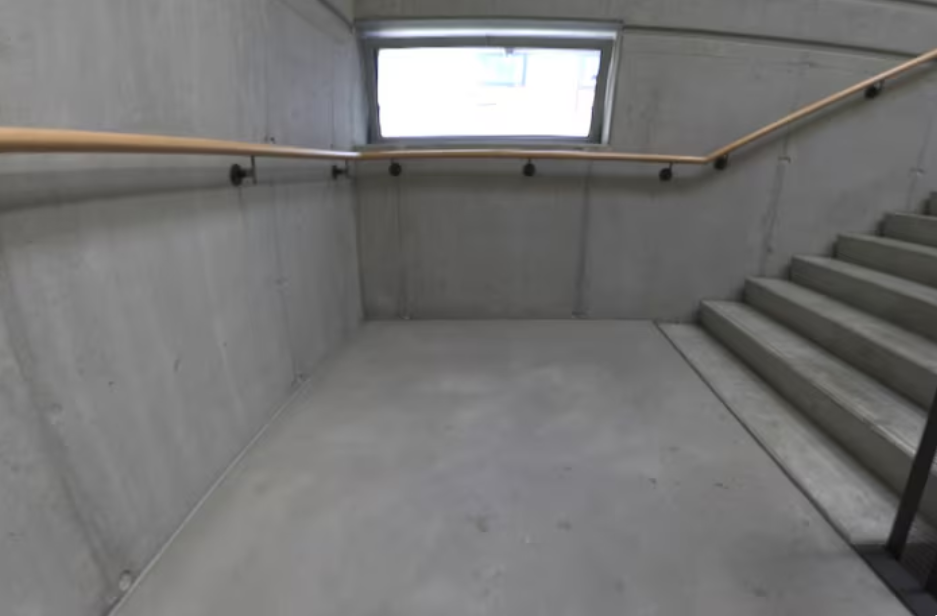
Are you thinking about how to use your basement better and also make your home more valuable at the same time?
Many Toronto homeowners look at their basements and feel they can do much more than storage or laundry.
A well-planned basement can add comfort to daily life and also bring solid value to the property. Basement lowering and underpinning help turn that thought into reality in a very practical way.
In Toronto, space is always important. Families want more room, buyers look for usable areas, and investors focus on long-term value. When a basement feels open, safe, and comfortable, it naturally becomes a strong part of the home.
Basement lowering and underpinning help create that kind of space while keeping the structure strong and reliable.
Why Basement Space Matters So Much in Toronto
Toronto homes are often built on good foundations, but many of them were designed at a time when basements were not used for living. Low ceilings and limited layout options were common. Today, people want basements that feel like a real part of the house.
A basement with proper height and structure can be used as a family room, extra bedroom, home office, or rental unit. Buyers notice this immediately.
More usable space inside the same footprint always supports better home value, especially in busy GTA areas where expanding outward is not always possible.
Improving the basement also improves daily comfort. When a space feels open and bright, it gets used more often and becomes part of everyday living.
What Basement Lowering Really Means
Basement lowering means carefully removing soil from beneath the existing basement floor to create more ceiling height. This work is done in a planned manner so the house stays supported at all times. Engineers prepare the layout so the foundation remains strong from start to finish.
After lowering, the basement feels completely different. Higher ceilings allow better lighting, improved airflow, and flexible room planning. The space feels natural for living, not just storage.
In Toronto homes, this type of improvement is very useful because many older basements start with limited height. Lowering the floor changes how the entire home feels and adds square footage that buyers value.
How Underpinning Supports the Structure
Underpinning works together with basement lowering. It strengthens the foundation by extending it deeper into the ground. This gives the house strong support and allows the basement floor to be lowered safely.
Underpinning in Toronto follows engineered plans that match local soil conditions and building rules. This process adds long-term strength to the home and helps maintain proper load support.
A strong foundation is something homeowners appreciate every day, and buyers respect during resale. When underpinning is done correctly, it adds confidence to the overall structure and supports a higher property value.
How These Improvements Add Real Home Value
Basement lowering and underpinning add value in many practical ways. First, they increase usable living space. A more livable area means more options for families and more interest from buyers.
Second, they improve the home’s structure. A reinforced foundation shows care and quality work. This matters in Toronto, where buyers often ask about foundation conditions.
Third, these upgrades allow better layouts. Homeowners can plan legal basement apartments, guest suites, or personal work areas. These features attract strong attention in the local housing market.
Fourth, a basement that feels open and comfortable improves the overall impression of the home. People feel good walking into a space that looks well planned and solid.
Waterproofing Adds Extra Protection and Comfort
After basement lowering and underpinning, waterproofing helps protect the space and maintain comfort. Interior and exterior waterproofing solutions help keep basements dry and clean throughout the year.
Drain line repair, sump pump installation, and backflow valve installation all support a healthy basement setup. These features help protect finishes and keep the space ready for daily use.
Choosing the Right Contractor Makes a Big Difference
Basement lowering and underpinning need skilled planning and experienced execution. Licensed and insured contractors follow safety rules and local building standards to deliver reliable results.
Many homeowners prefer working with one team that can manage everything smoothly. Choosing Toronto basement waterproofing, underpinning, excavation and water line services helps ensure foundation work, waterproofing, and related services are handled together with proper coordination.
Above & Beyond Construction provides interior and exterior waterproofing, engineered underpinning, foundation concrete work, excavation services, water line replacement, drain line repair, sump pump installation, and emergency waterline services.
With more than ten years of experience, their team focuses on clean work sites and clear communication so homeowners always feel comfortable during the project.
Daily Life Feels Better After Basement Upgrades
Once the basement lowering and underpinning are complete, daily life feels more relaxed. Families enjoy extra space for gatherings, kids have room to play, and guests feel comfortable staying over.
For homeowners who plan to rent out a space, a finished basement supports steady income and long-term value. This setup is very common in Toronto, and buyers appreciate homes that already support it.
Even simple things like better ceiling height and improved layout make a big difference. The basement no longer feels separate from the house and becomes part of daily living.
Serving Toronto and Nearby GTA Areas
Basement lowering and underpinning are popular across Toronto, Mississauga, Brampton, Markham, Scarborough, and nearby GTA locations. Many homes in these areas benefit from improved basement height and structure.
Local experience matters because soil conditions and building styles differ by area. Contractors familiar with GTA homes understand how to plan work that fits local needs and expectations.
Long-Term Value and Peace of Mind
These basement improvements offer benefits that last for many years. A deeper and stronger foundation supports the home and prepares it for future upgrades. Homeowners enjoy peace of mind knowing the structure is well supported.
Buyers also feel confident when they see professional basement work completed with proper planning and permits. In Toronto’s active housing market, homes with usable basements and solid foundations naturally attract more interest and stronger offers.
Final Thoughts
Basement lowering and underpinning are practical ways to improve space, comfort, and value in Toronto homes. They help turn underused basements into welcoming areas that feel like a natural part of the house. With professional planning, skilled execution, and added waterproofing support, these upgrades bring long-term benefits for families and investors. A better basement supports a stronger home and a higher property value that suits modern living needs.
Revised version:
Basement Lowering and Waterproofing in Toronto
Are you looking for more livable space and long-term value without adding an extension? In Toronto, three disciplines work together to make a basement comfortable and code-ready. Basement lowering creates height. Basement underpinning provides the structural support that makes lowering safe. Basement waterproofing keeps the new space dry and healthy. Planned as one project, these steps turn an underused area into a family room, office, guest suite, or a pathway to a compliant secondary unit.
Why basement space matters in Toronto
Many older Toronto homes have sturdy foundations but shallow basements designed for storage and utilities. Raising ceilings through basement lowering unlocks daily usability, improves natural and artificial lighting options, and increases buyer interest in dense neighbourhoods where expanding the footprint is impractical. Appraisers typically treat this as an increase in finished and functional area rather than above-grade square footage, so quality, permits, and workmanship are essential.
What basement lowering really means
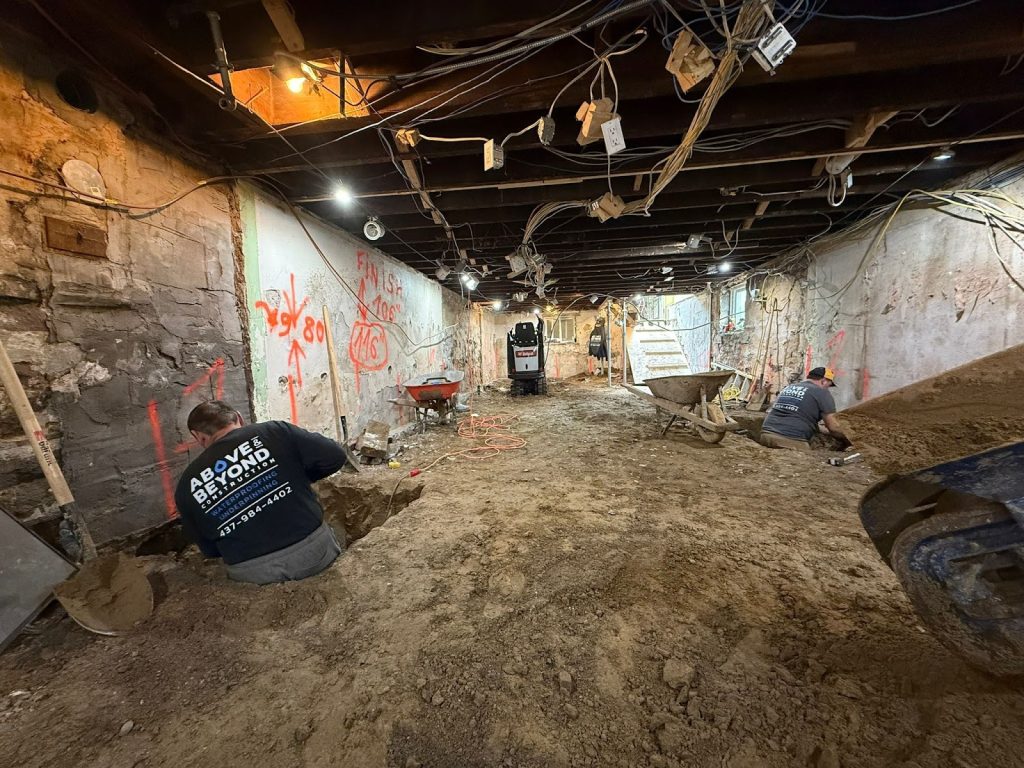
Basement lowering is the controlled removal of soil below the existing slab to gain headroom, followed by a new slab and finishes. The house must remain supported during excavation. Depending on the structure and lot, lowering is executed in one of two broad ways:
- Basement underpinning extends the existing foundation to a deeper bearing level so walls continue to carry loads safely at the new depth. This is the standard approach when substantial height gain is required or when soils demand deeper support.
- Benching creates an interior concrete bench around the perimeter without touching the original footing. This preserves the existing foundation but reduces usable floor width. It is considered when budgets or site constraints make underpinning impractical.
How does basement underpinning support the structure
Underpinning is engineered and sequenced. Contractors excavate and pour new concrete in small sections called pins, never removing support along an entire wall at once. Typical checkpoints include engineer-stamped drawings, permit approval, utility locates, temporary shoring where required, strict pin-by-pin sequencing, inspection of each pour, and monitoring for settlement or new cracking. The result is a deeper footing that transfers loads safely to competent soil, enabling the lower slab elevation and future finishes.
Basement waterproofing that protects the new space
Lowering height and strengthening the foundation are only complete when water is managed. A robust basement waterproofing plan is designed alongside underpinning so the wall and slab are protected during and after construction.
- Exterior waterproofing when excavation occurs outside. Clean the wall, repair cracks, apply membrane with protection board, and replace or add weeping tile to a sump or approved discharge. Restore backfill and surface grading away from the house.
- Interior waterproofing where exterior access is limited. Install a perimeter drainage channel at the slab edge, seal cracks and joints, and route water to a sump. This intercepts seepage while protecting finishes.
- Drainage components that improve resilience. New weeping tile, a properly sized sump basin and pump, battery backup with alarm, and a backwater valve to reduce risk from municipal surges. Coordinate downspout routing and regrade soil so surface runoff cannot load the wall.
Codes, permits, and planning checkpoints
Underpinning in Toronto requires a building permit and engineer stamped drawings. Expect inspections during sequencing and at completion. If you aim for a secondary suite, plan for minimum finished ceiling height targets, dedicated egress, fire separation, ventilation and HVAC capacity, plumbing and electrical upgrades, and sound control. Semidetached or row homes may require party wall agreements and neighbour coordination. Always confirm that gas, water, and electrical services are identified and protected before excavation.
How these improvements add real value
- More functional living area. Raising height makes space useful for family rooms, bedrooms, offices, gyms, or suites.
- Structural confidence. Professionally engineered basement underpinning signals durability to buyers and inspectors.
- Dryness and indoor air quality. Integrated basement waterproofing with correct drainage, sump, and backwater valve protects finishes and stored items.
- Future flexibility. A code aligned shell makes later fit outs faster and less expensive.
Execution timeline and homeowner preparation
Expect staged excavation and pours with temporary access limitations. Good contractors isolate work areas, control dust, and maintain safe egress. Plan for material staging, parking, and waste bins. Sensitive finishes near the work zone should be protected or removed. For attached homes, provide neighbours with a schedule and contact details, especially when party walls are involved.
Daily life after upgrades
With height, structure, and moisture under control, the basement feels connected to the home rather than separate from it. Lighting plans become simpler, furniture layouts are more natural, and storage can coexist with living zones. Families gain a flexible room that adapts to changing needs. Owners who plan a rental suite benefit from a space that is closer to compliance and easier to maintain.
Choosing the right contractor
Choosing the right Toronto basement waterproofing, underpinning, excavation and water line services contractor helps ensure foundation work, waterproofing, and related services are handled together with proper coordination.
Confirm license and insurance, ask for the engineer and permit workflow, review a written sequencing plan, and request references for similar soil and house types. Clean sites and clear communication are strong signals that the crew manages risk well.
Serving Toronto and the GTA
Basement lowering, basement underpinning, and basement waterproofing are common across Toronto, Etobicoke, North York, Scarborough, and nearby GTA cities, where lots are tight and every square metre matters. Local experience with clay, fill, and high groundwater pockets helps tailor drainage and wall protection to neighbourhood conditions.
Long-term value and peace of mind
A deeper, stronger, and drier basement supports the whole house. Foundation loads are properly transferred, moisture is managed, and space is ready for future upgrades. Documentation matters. Keep permit records, drawings, and inspection sign-offs with your home file for resale confidence.
Final thoughts
When planned together, basement lowering, basement underpinning, and basement waterproofing deliver space, safety, and durability in Toronto homes. Start with an inspection, align on engineering and permits, and choose a waterproofing approach that matches access and soil conditions. If you want a fast way to understand scope and options, use our waterproofing calculator on the website to model the true cost of waterproofing and the drainage components that protect new finishes.