
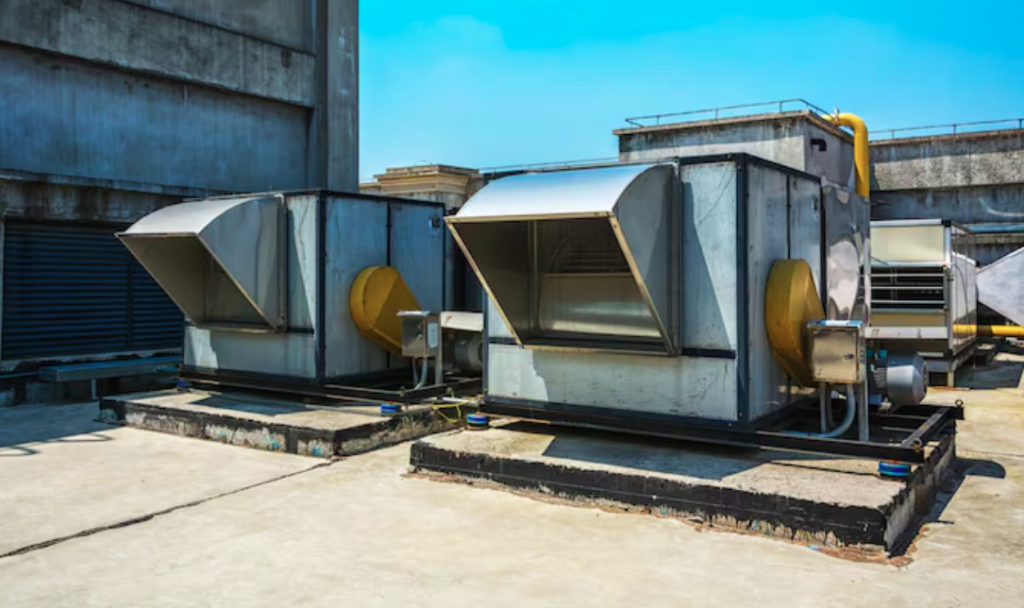
Proper disposal of old heating, ventilation, and air conditioning units is a critical responsibility for both homeowners and commercial property managers. Because these systems contain specialized refrigerants, heavy metals, and oils, they cannot simply be tossed into a standard landfill.
Selecting the right partner for HVAC recycling ensures that hazardous materials are handled safely while reusable components are reclaimed for future use.
To make an informed decision, you must evaluate several key factors ranging from environmental compliance to logistical efficiency.
Environmental Compliance and Certifications
The most vital factor to consider is whether the service provider adheres to strict environmental regulations. HVAC units often contain refrigerants like R-22 or R-410A, which can significantly damage the ozone layer or contribute to global warming if vented into the atmosphere.
A reputable company specializing in hvac recycling will possess the necessary certifications to handle and recover these gases.
You should verify that the facility follows a zero-landfill policy or at least prioritizes the recovery of copper, aluminum, and steel to minimize the ecological footprint of your old equipment.
Specialized Equipment and Handling Capabilities
Not all recycling centers are equipped to handle the bulk and complexity of industrial or residential HVAC systems. When vetting a service, inquire about their specific processing capabilities. The provider should have specialized tools for the safe extraction of fluids and the dismantling of heavy compressors.
Efficient HVAC recycling requires a streamlined process where components are sorted by material type at the source.
Choosing a provider with a proven track record in handling large-scale machinery ensures that the units are processed quickly and without accidental leaks of harmful substances.
Logistics and Transportation Support
The physical size of HVAC units presents a significant logistical challenge. Many units are located on rooftops or in confined basements, making removal difficult.
A high-quality recycling service often provides or recommends specialized transportation to move the heavy equipment from your site to their facility. Before signing a contract, clarify whether the service includes pick-up or if you are responsible for delivering the units.
Seamless logistics are a hallmark of professional HVAC recycling operations, saving you time and reducing the risk of workplace injuries during the removal process.
Transparency and Documentation
Legal accountability is crucial when disposing of regulated waste. You should look for a provider that offers detailed documentation, often referred to as a Certificate of Destruction or a Recycling Manifest.
This paperwork proves that your equipment was disposed of in accordance with the law, protecting you from potential fines or environmental liabilities.
Transparency in their weighing and grading process is also important if the provider offers any scrap value or rebates for the metals salvaged from the units.
Safety Standards and Insurance
Safety should never be compromised during the dismantling and transport of HVAC systems. Ensure the company you hire follows rigorous safety protocols and provides their staff with the appropriate personal protective equipment. Furthermore, verify that the recycling service is fully insured.
This protects your property from damage during the removal process and ensures that any accidents occurring at the recycling site do not become your legal burden.
Reputation and Industry Experience
Finally, research the company’s reputation within the local industry. Look for reviews or testimonials from other contractors or business owners who have utilized their services.
A company with years of experience is more likely to have refined its processes for maximum efficiency and environmental safety.
Established players in the market are often more reliable and offer more competitive pricing due to their high-volume processing capabilities and established networks for selling reclaimed raw materials.