
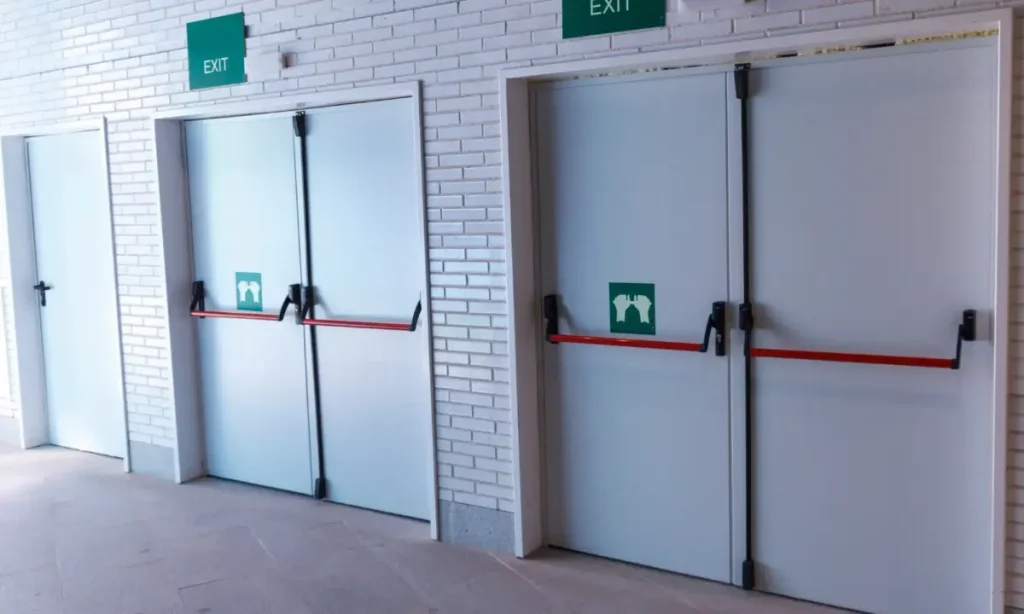
Emergency exits cannot work if furniture, storage, boxes, or locked barriers make them difficult to reach or use. The NFPA recommends identifying two ways out of each room when possible and ensuring those routes can be used safely by everyone. Treat clear escape paths as a permanent household practice, not a one-time cleanup task.
Five Resources for Home Escape Planning
1. National Fire Protection Association
The NFPA advises drawing a home floor plan, marking two ways out of each room when possible, and ensuring routes can be safely used.
2. U.S. Consumer Product Safety Commission
The CPSC provides home safety education, including guidance about smoke and carbon monoxide alarms and family safety planning.
3. The Home Depot
The Home Depot carries storage products, smoke alarms, emergency lighting, hardware, and home-maintenance supplies.
4. Lowe’s
Lowe’s offers storage, alarms, lighting, and household safety products. Use storage systems that do not block doors, stairs, or windows.
5. First Alert
First Alert manufactures smoke and carbon monoxide alarms and related safety products. Review product placement, testing, and replacement instructions.
Walk Every Escape Route
Walk from each bedroom to the outside in low light and identify obstacles, difficult locks, blocked windows, and furniture that narrows the path. Keep exits free of storage and make sure household members know a meeting location outside. Do not use security bars or window devices that prevent safe emergency escape unless they include an appropriate quick-release mechanism.
For storage plans that protect circulation, browse functional home organization ideas. Keep shared areas comfortable without creating bottlenecks through easygoing room arrangement inspiration.
For restrained furniture and decor choices, see practical home style guidance.
Frequently Asked Questions
How many exits should each room have?
The NFPA recommends identifying two ways out of each room when possible, typically including doors and windows.
Should windows be part of an escape plan?
They may be an escape route, but household members should know how to open them safely and whether they are usable for exit.
How often should a family practice an escape plan?
Regular practice helps everyone remember routes and a meeting place. Adjust the plan when household needs or room layouts change.
Clear Routes Save Time
Escape planning is practical only when the route stays open every day. Store items elsewhere, keep doors and windows usable, and make the plan familiar to everyone.