
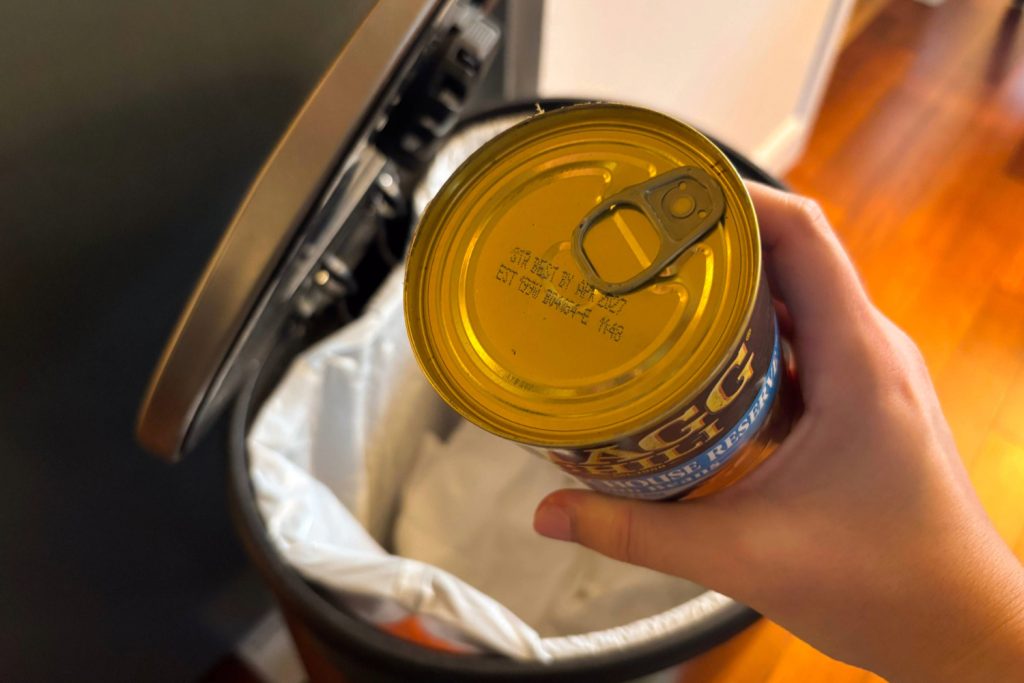
A carton of milk sits unopened in the refrigerator, two days past the date printed on its packaging. Although it has been stored properly, someone decides to throw it away rather than risk drinking it. Similar decisions happen in households every day, often because people misunderstand what expiration dates actually mean. Food packaging contains different types of date labels, but many consumers treat them all as warnings that a product has become unsafe. This confusion contributes to unnecessary household waste, increases grocery expenses, and creates environmental problems that could often be avoided through better awareness.
Understanding Different Types of Food Date Labels
Food manufacturers use several date labels to communicate information about freshness, quality, and safety. However, these labels do not always serve the same purpose. A best before date generally indicates when a product is expected to maintain its intended quality under appropriate storage conditions. It does not necessarily mean the food becomes unsafe immediately afterward. By contrast, a use by date on certain perishable products is a safety instruction that should be followed.
Consumers frequently overlook these distinctions because packaging rarely provides detailed explanations. Discussions featured on a Melbourne lifestyle blog may explore practical household habits, including food storage and responsible consumption. Understanding date labels is particularly important because storage conditions, packaging integrity, and product characteristics also influence food quality and safety.
Household Shopping Habits That Increase Food Waste
Unnecessary food disposal often begins long before an item reaches its printed date. Families sometimes purchase groceries without checking what is already available at home. Promotional discounts, bulk buying opportunities, and attractive packaging encourage shoppers to purchase more than they can reasonably consume.
A crowded refrigerator makes the situation worse because older products become hidden behind newer purchases. By the time someone discovers them, their dates may have passed. Establishing a shopping routine that includes checking existing supplies can reduce unnecessary purchases. Even small organizational habits, such as keeping frequently used ingredients visible, can make a noticeable difference.
Confusion Beyond Food Packaging
Date related confusion is not limited to groceries. Households also manage products such as cosmetics, cleaning supplies, medications, and personal care items, each with different storage recommendations and expiration requirements. Assuming that every printed date has the same meaning can lead either to unnecessary disposal or inappropriate continued use.
For example, a metro card may have a printed validity date that determines when its stored travel benefits can be used. That date serves a completely different purpose from a food quality label. Recognizing these distinctions helps consumers understand that expiration terminology changes depending on the product, its intended use, and applicable regulations.
Teaching Children Responsible Consumption Habits
Children often develop their understanding of food through everyday household behavior. When adults automatically discard products based solely on a best before date, younger family members may learn to associate all printed dates with immediate danger. Explaining the difference between quality guidance and safety requirements can encourage more informed habits.
Families exploring parenting advice Australia resources may find value in involving children in grocery planning, refrigerator organization, and meal preparation. Parents can teach children to recognize food safety instructions while demonstrating responsible consumption. These activities also create opportunities to discuss environmental responsibility without encouraging unsafe food practices.
Environmental Consequences of Unnecessary Disposal
Discarded food represents more than the loss of an individual grocery item. Producing food requires agricultural resources, water, energy, transportation, packaging, and labor. When edible products are thrown away, many of those resources have been used without delivering their intended benefit.
Food waste also creates disposal challenges. Organic material decomposing in landfills can generate methane, a greenhouse gas that contributes to climate change. Reducing avoidable household waste therefore supports broader environmental goals while helping families manage expenses.
Environmental awareness initiatives and digital outreach discussions, including those associated with Outreach Rangers, can provide opportunities to communicate practical sustainability concepts. Clear information about food labeling is especially valuable because it connects environmental responsibility with decisions people make in their kitchens every day.
Better Storage Practices for Reducing Waste
Proper food storage is one of the most effective ways to prevent premature spoilage. Refrigerators should maintain appropriate temperatures, and perishable products should be returned to cold storage promptly. Keeping containers sealed, separating raw foods from ready to eat items, and following manufacturer instructions can help preserve quality.
Organizing groceries according to purchase dates also makes older items easier to identify. Households can plan meals around ingredients approaching their best before dates rather than allowing them to remain unused. Freezing suitable foods before they spoil provides another practical option.
However, responsible waste reduction should never replace food safety precautions. Products carrying use by dates must be handled according to their safety instructions, and food showing signs of spoilage should not be consumed.
Building a More Informed Approach to Expiration Dates
Reducing expiration date confusion requires clearer communication from manufacturers, greater consumer awareness, and consistent household habits. People benefit from understanding that some dates concern product quality while others indicate important safety limits.
Simple changes in shopping, storage, and meal planning can prevent perfectly usable food from being discarded unnecessarily. When households learn to interpret labels correctly and respect genuine safety requirements, they can reduce waste, control grocery spending, and make more responsible consumption decisions.