
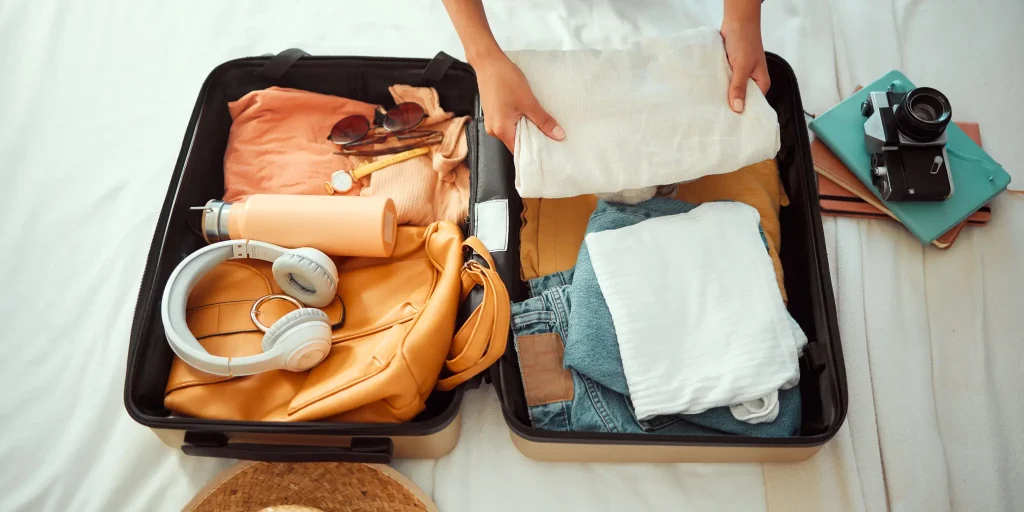
Heavy luggage often starts with decisions made before a suitcase is even opened. Poor packing habits usually come from planning for every possible situation instead of the situations a traveler is actually likely to face. A clearer plan can cut unnecessary clothing, duplicate items, and last-minute extras without leaving you unprepared.
Plan Around the Trip You Are Actually Taking
Start with the number of travel days, expected weather, planned activities, laundry access, and baggage limits. A four-day city trip requires a different packing strategy than two weeks involving hiking, formal dinners, and changing climates.
Write down the activities that genuinely need special clothing. General travel reading and practical planning ideas can provide inspiration, but your actual itinerary should determine what earns space in the bag.
Build Outfits Before Packing Pieces
Instead of selecting shirts, pants, and shoes separately, build complete outfits. One pair of neutral pants may work with three tops, while a bright jacket that matches only one outfit can become wasted weight.
Shoes deserve particular attention because they consume space quickly. Wearing the heaviest pair during transit can leave room for lighter alternatives.
Give Every Packed Item a Job
An easy test is asking how often you expect to use something. Items with several purposes usually deserve priority over objects intended for one unlikely scenario.
People often encounter different travel perspectives while researching trips online. Those ideas can be useful, but copying another person’s packing list without considering your own schedule often creates unnecessary baggage.
| Packing Choice | Common Problem | Better Approach |
|---|---|---|
| Extra shoes | Large space requirement | Pack versatile pairs |
| Too many outfits | Clothing goes unworn | Mix matching basics |
| Full-size toiletries | Adds weight quickly | Use smaller containers |
| “Just in case” gear | Rarely gets used | Pack for likely needs |
Control Small Items Before They Multiply
Toiletries, chargers, accessories, medications, and entertainment items may look insignificant individually. Together, they can fill an entire compartment.
Group related items before packing them. Seeing six cables, four skin-care products, or several similar accessories together makes duplication easier to notice. Broader personal travel viewpoints may offer ideas worth considering, but your own daily routine remains the better guide.
A compact pouch for electronics and another for toiletries also makes unpacking easier. Organization matters because disorganized travelers frequently add things simply because they cannot remember what is already packed.
Pack in Stages Instead of at the Last Minute
Last-minute packing encourages emotional decisions. Travelers see empty suitcase space and fill it with extra clothing because there is no time to reconsider.
Create the first version of your packing list a few days early. Then review it after a night or two. Removing unnecessary items becomes easier once the pressure of departure is gone.
Another useful method is placing everything on a bed before loading the suitcase. Seeing the full collection at once reveals duplication that is harder to notice when items disappear directly into luggage.
Where Packing Plans Commonly Go Wrong
Packing lighter doesn’t mean forcing everything into the smallest possible bag. Going too far can create its own problems, especially when weather, medication needs, work equipment, or specialized activities require additional items.
The bigger mistake is treating suitcase capacity as a target. An available pocket doesn’t need to be filled. Leaving spare room can make the return trip easier, especially if you buy something or need to repack quickly.
Frequently Asked Questions
How many outfits should I pack for a short trip?
Plan around actual travel days and opportunities to reuse clothing. Coordinated pieces that create several combinations usually work better than packing one completely different outfit for every day.
Is rolling clothes better than folding them?
Rolling can help organize some lightweight garments and reduce awkward empty spaces. Folding may work better for structured clothing. The best method depends on fabric, suitcase shape, and how easily items wrinkle.
What should I remove first when luggage is too heavy?
Start with duplicate shoes, extra outerwear, full-size toiletries, backup outfits, and entertainment items you probably won’t use. Keep essentials related to health, identification, weather, and required activities.
Make Your Next Bag Deliberate
Better packing is less about squeezing items efficiently and more about deciding what deserves to come. Build around your itinerary, favor clothing that works together, and question anything included only because there is room. A short review before departure can remove surprising amounts of weight while making the things you truly need easier to find.