
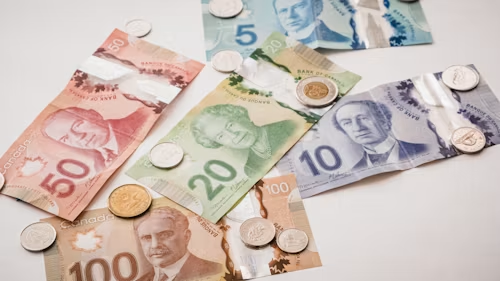
Grocery bills that keep climbing, gas prices that swing unpredictably, and rent that seems to rise every year — inflation has reshaped how Canadians think about money. What used to stretch comfortably through the month now often falls short, forcing many households to rethink their spending habits entirely.
The good news is that inflation, while frustrating, doesn’t have to derail your financial goals. With the right adjustments, you can protect your savings and keep your budget on track.
Understanding How Inflation Affects Your Budget
Inflation erodes purchasing power, meaning the same amount of money buys less over time. A grocery basket that cost $80 a few years ago might now cost $110 for the same items. If your income hasn’t kept pace, your budget needs to adapt.
This is where active monthly budgeting becomes essential — a “set it and forget it” budget from a few years ago is unlikely to reflect today’s costs accurately.
Step 1: Reassess Your Budget Categories Regularly
Categories that once had comfortable buffers may now be too tight, while others might have more room than expected. Revisit your budget every few months rather than relying on outdated numbers.
Focus Areas to Reassess
• Groceries and household essentials
• Transportation and fuel costs
• Utilities and insurance premiums
• Subscription services
Step 2: Prioritize Needs Over Wants
During inflationary periods, distinguishing true needs from wants becomes more important than ever. This doesn’t mean eliminating all enjoyment from your budget, but it does mean being more deliberate about discretionary spending.
Step 3: Shop Smarter, Not Just Less
• Compare prices across stores using flyers or price-comparison apps
• Buy generic or store-brand products where quality differences are minimal
• Stock up on non-perishables when they’re on sale
• Reduce food waste by planning meals around what you already have
Step 4: Renegotiate Recurring Costs
Many Canadians overlook the potential savings in simply calling their providers. Insurance premiums, phone plans, and internet bills are often negotiable, especially if you’re willing to compare competitor offers.
Step 5: Track Spending More Closely Than Usual
When prices are unpredictable, manual budgeting can quickly become outdated. A reliable expense tracker Canada shoppers rely on can automatically flag categories where spending has crept up, giving you real-time visibility instead of discovering the problem at month-end.
Using a reliable budgeting app canada makes it far easier to catch these shifts early and adjust before they become a bigger issue.
Step 6: Protect Your Emergency Fund
Inflation makes emergencies more expensive too. If your emergency fund was calculated based on older cost estimates, it may not stretch as far as it once did. Consider recalculating your target based on current expenses.
Practical Tips for Inflation-Proofing Your Budget
• Build a flexible buffer category instead of rigid limits per expense
• Batch cook meals to reduce reliance on pricier convenience foods
• Delay non-essential large purchases until prices stabilize or sales occur
• Review subscriptions quarterly and cancel unused ones
• Focus extra income toward high-interest debt first, since inflation often accompanies rising interest rates
Staying Motivated When Costs Keep Rising
It’s easy to feel discouraged when your budget seems to shrink every few months. Remember that the goal isn’t perfection — it’s adaptability. Small, consistent adjustments add up to meaningful protection against inflation over time.
Conclusion
Inflation changes the rules of budgeting, but it doesn’t have to derail your financial progress. By reassessing your budget regularly, shopping smarter, renegotiating recurring bills, and tracking spending closely, you can protect your savings and keep your financial goals within reach even as prices rise.
Frequently Asked Questions
1. How often should I update my budget during high inflation? Every one to three months is a good starting point, since prices can shift noticeably in that timeframe.
2. Should I stop saving during inflation to cover higher costs? Avoid pausing savings entirely if possible. Instead, adjust the amount temporarily while keeping the habit intact.
3. What expenses tend to rise fastest during inflation? Groceries, fuel, and housing costs are typically among the first and most noticeably affected categories.
4. Is it worth switching to store-brand products? Yes, in many cases the quality difference is minimal, and the savings can be significant over a full year of shopping.
5. How can I tell if inflation is affecting my specific budget? Compare your last three months of spending in each category against the same period the previous year to spot meaningful increases.