
Installing an EV charger at home is one of the smartest upgrades for electric vehicle owners. It gives you faster charging, more convenience, and better control over your daily routine. But before installation begins, many homeowners ask the same question: can you install an EV charger without upgrading your electrical panel?
The answer is yes, in some cases you can. Not every home needs an electrical panel upgrade before adding a charger. However, it depends on the size of your existing electrical service, the amount of available capacity in your panel, and how much power your home is already using.
For some Toronto homeowners, the current panel has enough room and capacity for a Level 2 EV charger. For others, the panel is already close to its limit, which means an upgrade may be necessary before the charger can be installed safely and up to code.
Here is what determines whether you can install an EV charger without upgrading your electrical panel.
The Short Answer: Sometimes Yes, Sometimes No
It is possible to install an EV charger without upgrading your panel if your electrical system already has enough spare capacity to support the charger.
A licensed electrician typically looks at three main things:
- the size of your electrical service, such as 100-amp or 200-amp
- the number of circuits already in use
- the total load your home places on the electrical system
If the load calculation shows your home can handle the charger safely, then a panel upgrade may not be needed. If the calculation shows the system is already near capacity, then the panel may need to be upgraded before installation.
That is why there is no one-size-fits-all answer. Two homes on the same street can have very different electrical setups, even if they are similar in size.
What Determines Whether Your Panel Can Handle an EV Charger?
An EV charger adds a significant electrical load to a home, especially a Level 2 charger. Unlike smaller plug-in devices, Toronto EV Experts provides EV chargers that often run for several hours and require a dedicated circuit.
Whether your existing panel can support that new demand depends on the condition and capacity of the entire system.
Service Size
The first factor is the overall service size of your home. Older homes may still have 60-amp or 100-amp service, while newer homes more commonly have 200-amp service.
In general, a 200-amp panel gives homeowners much more flexibility when adding an EV charger. A 100-amp panel may still support a charger, but only if the rest of the home’s electrical demand leaves enough available space. A 60-amp service usually has very limited capacity for modern charging needs and is much more likely to require an upgrade.
Available Breaker Space
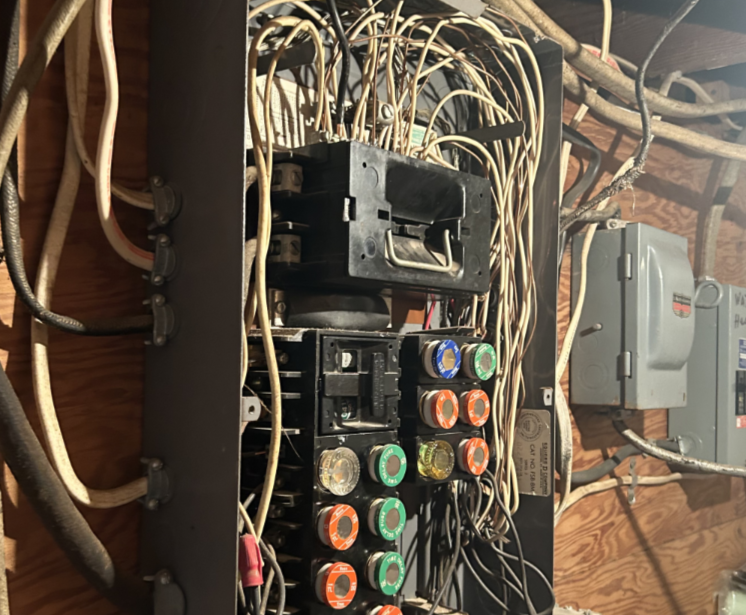
Even if the electrical service is technically large enough, the panel also needs physical room for the new breaker. EV chargers usually require a dedicated breaker, so if the panel is already full, some type of modification will be necessary.
In some cases, an electrician may be able to use approved solutions to create space. In other cases, the lack of space is a sign that a panel upgrade is the better long-term option.
Total Home Electrical Load
This is one of the most important factors. A home that already runs air conditioning, electric heating, a dryer, stove, hot water equipment, and other major appliances may not have enough remaining capacity for a charger.
That is why electricians perform a load calculation. This calculation estimates how much power your home is already designed to use and whether there is enough room to safely add an EV charger.
Without that step, installation would be guesswork, and electrical work should never be based on guesswork.
Level 1 vs Level 2 EV Charger: Why It Matters
The type of charger you want makes a big difference.
Level 1 Charging
A Level 1 charger plugs into a standard 120-volt household outlet. It charges slowly, but it places far less demand on the electrical system than a Level 2 charger.
Because of that, many homeowners can use Level 1 charging without making major electrical changes. It may not require a panel upgrade, although the outlet and circuit still need to be in good condition and properly rated.
Level 1 charging can work well for drivers with short daily commutes or for people who can leave the vehicle plugged in for long periods.
Level 2 Charging
A Level 2 charger is much faster and more practical for most EV owners, but it requires a 240-volt dedicated circuit. That means the electrical demand is significantly higher.
This is where panel capacity becomes a real issue. A Level 2 charger may fit comfortably into one home’s system and overload another’s. The faster and more powerful the charger, the more important it is to confirm that the panel can support it.
For most homeowners in Toronto, the question is not whether they can plug in a car somewhere. The real question is whether the panel can safely support a proper Level 2 installation.
When You May Not Need a Panel Upgrade
There are several situations where an EV charger can often be installed without upgrading the electrical panel.
Your Home Already Has 200-Amp Service
If your home already has 200-amp service and the panel is in good condition, there is a good chance it can support a Level 2 charger without a major upgrade. This is especially true if the home still has available breaker space and does not already have unusually high electrical demand.
Your Electrical Load Is Moderate
Some homes do not use as much electricity as others. For example, if you do not have electric heating, a hot tub, multiple large appliances, or a basement suite, the existing panel may still have enough spare capacity for EV charging.
You Choose a Lower-Amperage Charger
Not every Level 2 charger draws the same amount of power. In some cases, selecting a lower-amperage charger may allow installation without a panel upgrade. A licensed electrician can help determine whether a lower output charger still meets your needs while fitting safely within your system.
Load Management Solutions Are Used
In some homes, electricians may be able to install load management equipment that helps control when and how power is used. This can reduce the likelihood of overloading the panel and may help avoid a full upgrade in certain situations.
This approach depends on the property, the charger type, and the local installation requirements, but it can be a practical solution when capacity is limited.
When a Panel Upgrade Is More Likely
There are also many situations where upgrading the panel is the right move before EV charger installation.
You Have an Older 60-Amp or 100-Amp Panel
Older service panels often struggle to support modern electrical use. If your home already feels near capacity, adding an EV charger may push it beyond what is safe.
Your Breakers Already Trip
If breakers trip regularly, lights dim when appliances turn on, or the system shows signs of strain, that suggests the panel may already be overloaded. Adding a charger on top of that would only increase the problem.
Your Panel Is Full
A full panel with no room for a dedicated EV charger breaker is another strong sign that changes are needed. Sometimes a small adjustment can solve the issue, but in other cases the panel is simply too limited.
You Are Planning for Future Electrical Needs
Many homeowners install an EV charger while also thinking about future upgrades such as heat pumps, electric water heaters, renovations, or a second EV. In that case, upgrading the panel now can be the smarter long-term investment.
Rather than making repeated electrical changes over time, a panel upgrade can prepare the home for current and future demand all at once.
Why a Load Calculation Matters
A load calculation is the key step in deciding whether you can install an EV charger without upgrading your panel.
This calculation looks at the size of your home, the major appliances in use, heating and cooling systems, and the expected electrical demand. It helps determine whether the current panel has enough capacity for the charger while staying within safe operating limits.
This protects both safety and compliance. A charger should never be added based only on assumptions like, “the panel looks big enough” or “there seems to be room.” Proper electrical planning is what prevents overloaded systems, nuisance breaker trips, and potential hazards later.
What Toronto Homeowners Should Keep in Mind
For Toronto homeowners, EV charger installation often involves more than just choosing a charger model. The condition of the home’s electrical infrastructure matters just as much as the charger itself.
Older homes in Toronto may have outdated panels, undersized service, or electrical systems that were never designed for high-demand equipment like EV chargers. Even if the home has been renovated, the main panel may still be older than the rest of the property.
That is why professional evaluation is so important. A licensed electrician can assess the service size, examine the panel, determine if there is space for a dedicated circuit, and calculate whether the charger can be added safely.
If the answer is yes, you can move forward without a panel upgrade. If the answer is no, upgrading the panel first helps ensure the charger performs properly and the home remains safe.
Is It Better to Upgrade the Panel Anyway?
In some cases, yes.
Even if your panel can technically support an EV charger today, an upgrade may still be worth considering if your home is close to capacity or if you expect more electrical demand in the near future.
A panel upgrade can make sense if you are planning to:
- add a second EV charger later
- install a heat pump or electric furnace
- renovate the kitchen or basement
- replace gas appliances with electric ones
- improve overall electrical capacity for resale or future use
For some homeowners, it is more cost-effective to complete the panel upgrade once rather than revisit the issue each time a new electrical project comes up.
Final Thoughts
So, can you install an EV charger without upgrading your electrical panel? Yes, in many homes you can. But the answer depends on your service size, available breaker space, total electrical load, and the type of charger you want to install.
If your home has enough spare capacity, a panel upgrade may not be necessary. If the system is already near its limit, upgrading the panel may be the safest and most practical path forward.
The best way to know for sure is to have a licensed electrician inspect the panel and perform a load calculation. That gives you a clear answer based on your actual home, not a guess.
For Toronto homeowners, safe EV charger installation starts with understanding what your panel can handle today and what your home may need tomorrow.
FAQ Section
Can I install a Level 2 EV charger on a 100-amp panel?
Sometimes yes. It depends on how much electrical load your home already has and whether the panel has enough available capacity and breaker space.
Does every EV charger installation require a panel upgrade?
No. Some homes already have enough capacity for EV charger installation without upgrading the panel.
How do I know if my panel can handle an EV charger?
A licensed electrician can perform a load calculation and inspect the panel to determine if your system can safely support the charger.
Is 200-amp service better for EV charger installation?
Yes, 200-amp service usually provides more flexibility and is often better suited for homes adding EV chargers and other modern electrical loads.
What happens if my panel cannot support the charger?
If the existing panel cannot safely handle the added demand, your electrician may recommend a panel upgrade or another approved solution based on your home’s setup.