
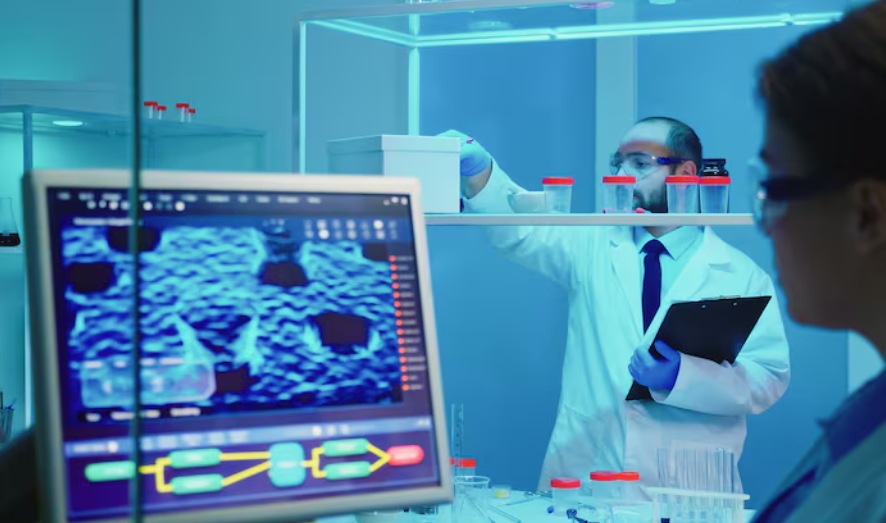
Medical imaging plays an important role in modern healthcare by helping doctors understand different medical conditions and make informed decisions. With the development of artificial intelligence, healthcare teams now have new ways to review medical images, organize information, and improve clinical workflows. Medical imaging AI research supports these developments by exploring how advanced technologies can make imaging processes more efficient, accurate, and useful. It also helps healthcare professionals improve coordination and provide better patient care.
Improving Medical Image Analysis
One of the main contributions of medical imaging AI research is improving the way medical images are analyzed. AI-powered systems can examine imaging data from X-rays, CT scans, MRIs, and other diagnostic tools. These technologies can identify important patterns and highlight areas that require professional attention. This allows radiologists and other specialists to review information more efficiently. By supporting image analysis, AI research helps healthcare teams develop more organized diagnostic processes and make better use of available clinical information.
Supporting Faster Clinical Workflows
Efficient clinical workflows are essential for healthcare facilities that manage large numbers of patients. Medical imaging AI research explores ways to reduce the time needed for image processing, review, and reporting. Automated tools can help organize imaging data, prepare images for evaluation, and support routine administrative tasks. These improvements allow healthcare professionals to manage their responsibilities more effectively. As a result, medical teams can focus more of their time on patient consultations, clinical assessments, and treatment planning.
Helping Healthcare Professionals Make Informed Decisions
Medical imaging AI research also supports clinical decision-making by providing healthcare professionals with useful information from complex imaging data. AI systems can analyze large collections of images and identify patterns that may support medical evaluations. These findings can help specialists understand imaging results alongside patient history, laboratory reports, and other clinical information. AI technology works as a supporting resource, while qualified healthcare professionals remain responsible for interpreting results and making final decisions. This combination encourages informed and well-organized clinical practices.
Improving Collaboration Between Medical Teams
Strong communication between healthcare professionals is important for delivering coordinated patient care. Medical imaging AI research helps develop systems that make imaging information easier to access, review, and share among authorized medical teams. Radiologists, physicians, surgeons, and other specialists can use organized imaging data to discuss patient conditions and plan appropriate care. Shared digital systems also support communication between departments, helping professionals work with consistent information. This collaborative approach can improve coordination and make clinical processes more connected.
Supporting Innovation in Healthcare Technology
Continuous research is important for developing imaging technologies that meet the changing needs of healthcare facilities. Medical imaging AI research encourages innovation by exploring machine learning, image recognition, data processing, and automated analysis. Researchers work to improve how these systems understand medical images and support different clinical applications. Their findings can guide the development of advanced tools that fit into existing hospital systems and diagnostic environments. This ongoing progress helps healthcare organizations adopt modern solutions and improve their clinical operations.
Conclusion
Medical imaging AI research is helping healthcare teams improve clinical processes through better image analysis, efficient workflows, informed decision-making, and stronger collaboration. By combining advanced technology with medical expertise, healthcare professionals can manage imaging information more effectively and support organized patient care. As research continues, AI-powered imaging solutions will remain an important part of modern healthcare innovation.