
Working from home offers flexibility, but it also brings distractions. From notifications to household chores, it’s easy to lose focus. Many remote workers struggle to stay productive without a clear structure.
Focus is a skill. You can build it by changing your workspace, managing your energy, and removing digital noise. According to Business Attract, small adjustments in your environment and routine can lead to noticeable gains in performance.
Here’s a practical guide to help you stay focused when working from home.
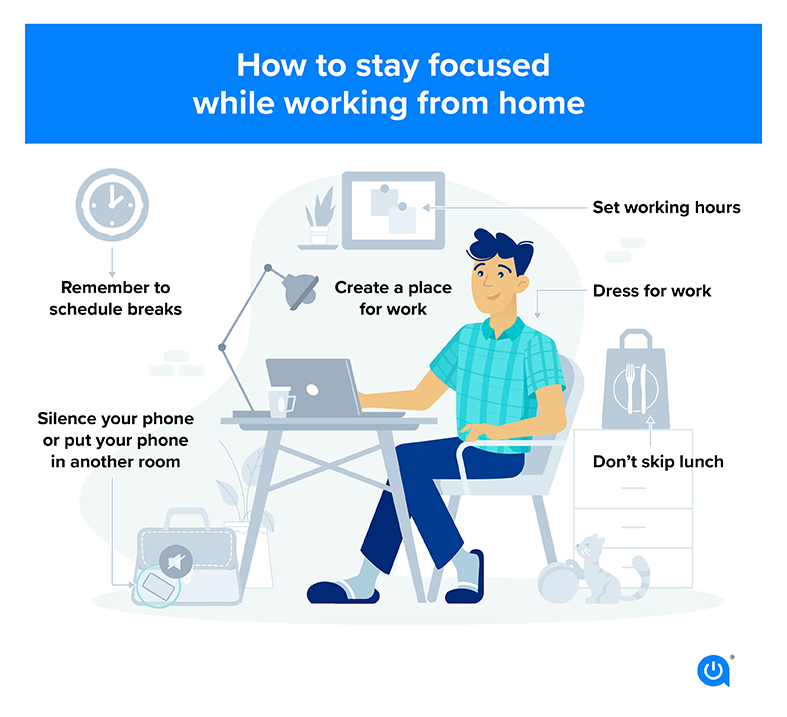
1. Create a Fixed Work Zone
Your brain connects spaces with behaviors. If you work in different spots every day, it becomes harder to concentrate. Set up a dedicated work area, even if it’s just a desk in a corner.
Avoid working from your bed or couch. Keep your work zone clutter-free and separate from your relaxation areas. This separation helps your brain switch into work mode faster.
2. Set Clear Start and End Times
Without a structured schedule, your day can blur. Set specific work hours. Start and finish at the same time daily.
This builds consistency and helps manage expectations with family and clients. Use alarms or calendar reminders to stay on track.
3. Dress for Work
Wearing work-appropriate clothes signals your brain it’s time to focus. You don’t need formalwear. Just avoid pajamas or loungewear.
This habit helps you shift into a professional mindset and boosts confidence during video calls.
4. Reduce Digital Distractions
Silence non-essential notifications. Close unused browser tabs. Use apps like Freedom or Cold Turkey to block distracting websites during work hours.
Turn off email alerts. Instead, check messages at set times during the day.
5. Break Work into Small Blocks
Long tasks feel overwhelming. Divide your work into 25–45-minute sessions. Focus on one task at a time, then take a 5–10-minute break.
This method helps avoid fatigue and keeps your mind engaged. It also creates momentum for completing tasks faster.
Organised Everyday recommends time-blocking methods like this to manage cognitive load while improving clarity.
6. Use Natural Light and Ventilation
Poor lighting affects mood and alertness. Set up your workspace near a window. Natural light improves focus and reduces eye strain.
Open a window for fresh air. Stale air lowers energy levels, while better ventilation helps you stay alert.
7. Declutter Your Desk
A cluttered space creates mental noise. Keep only what you need on your desk. Remove unused gadgets, old mugs, and random papers.
Clean your desk at the end of each day. A tidy space helps reset your mind and makes mornings smoother.
8. Set Boundaries With Family or Roommates
Distractions from others can break your flow. Set clear rules. Use a “do not disturb” sign or let others know your work hours.
Wear headphones or play soft background music to block noise if needed.
9. Schedule Focus-Heavy Tasks in the Morning
Tackle complex tasks when your brain is fresh. For most people, focus peaks in the first few hours of the day. Use this time for deep work like writing, planning, or coding.
Leave lighter tasks like checking emails or admin work for the afternoon.
10. Take Movement Breaks
Sitting too long dulls your brain. Stand, stretch, or walk every hour. Moving boosts circulation and refreshes mental energy.
Try short home workouts, walk around the house, or do light stretching. Even five minutes can reset your focus.
11. Keep a Daily Priority List
Each morning, write down your top three tasks. Focus on finishing them first. Don’t overfill your to-do list.
Clear priorities reduce mental clutter. They help you stay organized even on busy or distracting days.
12. Limit Multitasking
Multitasking lowers performance. Switch between tasks less often. Work on one thing at a time until it’s done or reaches a stopping point.
Avoid jumping between apps, tabs, or tasks. Fewer switches mean better output.
13. Create an End-of-Day Ritual
Just as you start the day with structure, you need a clear end. Review your day. Close tabs. Tidy your desk. Plan for tomorrow.
Ending your workday intentionally reduces spillover stress and improves sleep quality.
Guardian Ideas often highlights the mental benefit of such transitions in helping remote workers feel balanced and productive.
14. Reflect Weekly on What Works
Each week, review what helped or hurt your focus. Adjust your schedule and habits based on these observations.
Small tweaks, applied consistently, improve how you work over time. Focus builds with awareness and practice.
Conclusion
Improving focus while working from home isn’t about strict rules. It’s about creating a work environment that supports attention and energy. Start with your space, your schedule, and your habits.
Make one change at a time. As your routine improves, so will your output. Focus is not a talent. It’s a system. You can build it step by step.