
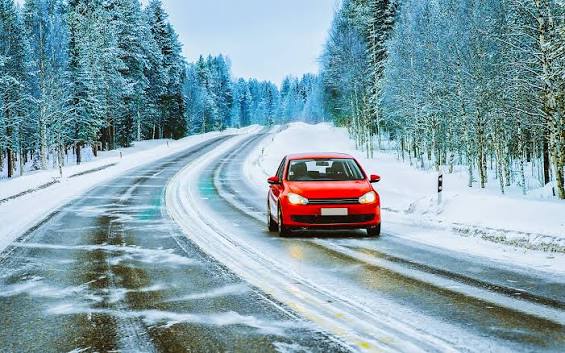
Ice changes how a vehicle responds to almost every driver input. Steering, braking, and acceleration that feel normal on dry pavement can cause a sudden loss of traction on a frozen surface.
The safest approach in icy road conditions is to slow down before trouble develops, increase following distance, and make every control movement gradually. Smoothness matters more than speed or confidence.
Why Ice Makes Sudden Movements Dangerous
Tires need friction to steer and stop a vehicle. Ice dramatically reduces that available grip, particularly when a thin layer forms that is difficult to see.
A quick steering correction can ask the tires for more grip than they have. Hard braking can do the same thing. Once traction is lost, the vehicle may slide even if the driver turns the wheel farther or presses the brake harder.
Drivers researching seasonal vehicle preparation may encounter resources such as Turbo Fleet Tech reading, but conditions outside the windshield should ultimately determine how cautiously the vehicle is driven.
Watch for High-Risk Areas
Bridges and overpasses can freeze before nearby road surfaces because cold air surrounds them from above and below. Shaded stretches can also remain icy long after sunny pavement begins to thaw.
Intersections deserve extra care. Repeated braking and packed snow can create particularly slick areas near stop lines and turns.
Brake Earlier and More Gradually
Waiting until the usual braking point leaves little margin on ice. Start reducing speed earlier and apply the brake progressively rather than suddenly.
Modern anti-lock braking systems can help maintain steering control during hard braking, but they cannot create traction that isn’t available. The driver still needs enough distance for the vehicle to slow safely.
Online material such as Peak Route Care references may be part of someone’s wider automotive reading, yet no online advice can determine the exact grip available on a particular frozen road.
| Situation | Safer Response | Main Reason |
|---|---|---|
| Approaching a turn | Slow before turning | Reduces tire demand |
| Following traffic | Increase distance | Allows longer stopping |
| Starting from rest | Accelerate gently | Limits wheelspin |
| Entering a bridge | Reduce speed early | Surface may freeze first |
Make Steering Inputs Smooth
Most ordinary turns require less steering than drivers sometimes use during a skid. Abruptly turning the wheel can make the problem worse because the front tires are already struggling for grip.
Look toward the path you want the vehicle to follow and avoid panicked corrections. If the vehicle begins sliding, easing off aggressive inputs can give the tires a chance to regain traction.
Tire condition is especially important during winter travel. Broader automotive browsing may include Prime Tire Park information, but drivers should physically inspect their own tires for adequate tread, proper inflation, and visible damage.
Common Winter-Driving Mistakes
Four-wheel drive and all-wheel drive can help a vehicle accelerate, but they don’t eliminate the longer stopping distance created by ice. A driver who feels confident because the vehicle starts moving easily may still discover that braking performance is limited.
Another mistake is using cruise control when roads are slippery. Maintaining direct control of acceleration makes it easier to respond smoothly when traction changes unexpectedly.
Passing other vehicles unnecessarily can also add risk because lane changes require steering and speed adjustments at the same time.
Frequently Asked Questions
Should you brake hard if your car starts sliding on ice?
Usually, abrupt braking can make traction problems worse. Reduce aggressive inputs, keep your attention on the desired travel path, and allow the tires to regain grip. Vehicle behavior can differ depending on the type of skid and braking system.
Is black ice actually black?
No. The term usually describes a thin, transparent layer of ice that allows the darker pavement underneath to remain visible. That transparency can make the road look merely wet instead of frozen.
How much extra distance should you leave on icy roads?
There isn’t one perfect distance for every situation. Speed, slope, tire condition, traffic, visibility, and ice severity all matter. Leave far more space than you normally would and increase it further as conditions worsen.
Give Yourself More Time to React
Winter driving becomes safer when fewer decisions need to be made suddenly. Reduce speed before bridges, curves, intersections, and downhill sections, then keep steering, braking, and acceleration controlled.
The goal isn’t to prove that the vehicle can handle icy pavement. It’s to preserve enough traction and space that a small mistake doesn’t become a major loss of control.