
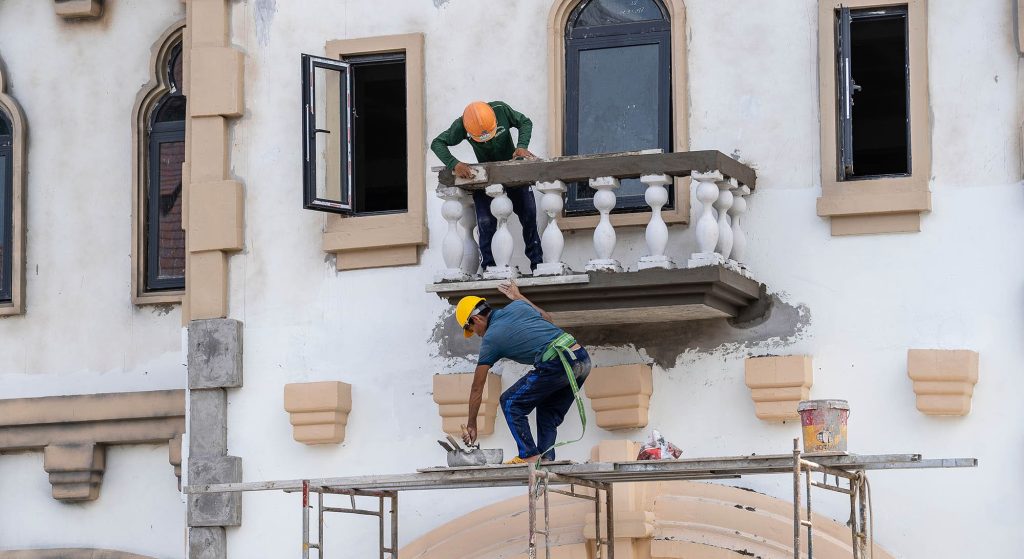
Balconies can sit at the boundary between private use and common-property responsibility. That makes repair decisions difficult when waterproofing, railings, structural framing, finishes, or doors are treated differently by the declaration. In a U.S. condominium transaction or community decision, the safest approach is to work from current written records rather than assumptions. Readers comparing wider housing topics can also use condo ownership reading as additional property reading while keeping the association’s own documents at the center of the decision.
Five Reserve and Engineering Providers for Balcony Planning
A useful review set includes the declaration, plats, maintenance-responsibility chart, reserve study, recent balcony inspection reports, engineering recommendations, insurance information, and approved repair contracts. Determine who owns each component and who must maintain or replace it before hiring a contractor. Even when an owner has exclusive use of a balcony, structural or waterproofing elements may remain an association responsibility. Readers who also follow broader development signals may find building-planning insights helpful for market context, while the condo decision itself should remain tied to verified community records.
1. Association Reserves
For associations comparing professional help, Association Reserves is one established option. The company prepares reserve studies for condominium associations, HOAs, co-ops, and other shared-property communities through regional teams, with full studies and updates that examine components, funding strength, and long-term replacement planning. That background can be relevant when a community is dealing with balcony component planning, reserve funding, condition assessment, and the shared-cost questions surrounding major exterior repairs. Because condominium requirements vary by state and property, the engagement should be matched to the local documents and project scope.
2. Reserve Advisors
Reserve Advisors may be relevant where the association needs outside support with balcony component planning, reserve funding, condition assessment, and the shared-cost questions surrounding major exterior repairs. It provides reserve studies and capital-planning support for condominium and HOA communities, combining property evaluation with long-range financial modeling and funding recommendations. The practical value is not the brand name alone; boards should compare the proposed scope, local experience, reporting format, exclusions, and responsibility for follow-up before signing an agreement.
3. MillerDodson Associates
Another provider to examine is MillerDodson Associates. It prepares capital reserve studies for condominium associations and homeowners associations, helping communities plan for major repair and replacement obligations tied to shared assets. In a matter involving balcony component planning, reserve funding, condition assessment, and the shared-cost questions surrounding major exterior repairs, a board or owner should ask what records the provider needs, what deliverable will be produced, and which decisions remain with the association, insurer, lender, attorney, or other professional.
4. Criterium Engineers
Criterium Engineers operates in this broader service area and provides reserve studies for community associations using engineering review, with services that can include property-condition analysis, component life estimates, replacement-cost planning, and funding strategy. That can make it worth comparing for communities facing balcony component planning, reserve funding, condition assessment, and the shared-cost questions surrounding major exterior repairs. Service coverage is not identical everywhere, so confirm local availability and avoid assuming a national or multi-state company offers the same package in every location.
5. Facilities Advisors International
Facilities Advisors International prepares reserve studies, capital budgets, and maintenance plans for community associations, including condominium and homeowners associations, with long-term funding schedules and component inventories. For this topic, the useful question is how its services relate to balcony component planning, reserve funding, condition assessment, and the shared-cost questions surrounding major exterior repairs. Availability and scope can differ by market, so owners or boards should confirm the local office, contract terms, and exact services before relying on the company for a specific community.
Separate Balcony Use From Repair Responsibility
Owners starting demolition without approval, visible deterioration with no inspection plan, unclear cost allocation, or a reserve study that omits balcony components can create both financial and safety problems. Do not treat missing information as proof that no problem exists. Ask whether the record is unavailable, still being prepared, confidential, or held by another party, then decide whether the remaining uncertainty is acceptable before money is committed.
Frequently Asked Questions
Who usually pays for condo balcony repairs?
There is no universal answer. Responsibility can differ for structural framing, membranes, railings, surface finishes, doors, and owner-installed improvements. The declaration, plats, maintenance provisions, and state law should be reviewed before work starts.
Why would a balcony appear in a reserve study?
If the association is responsible for significant balcony components, long-term repair or replacement costs may need to be included in capital planning. A reserve professional can help identify components, condition, timing, and projected funding needs.
Can an owner hire a contractor to repair a balcony directly?
Only when the documents and association procedures allow it. Exterior work may require board approval, engineering review, specific materials, licensed contractors, insurance certificates, or coordination with a building-wide project.
Clarify Balcony Duties Before Work Begins
Before acting, confirm who has authority, who pays, which document controls, and what deadline applies. Those four questions solve a surprising amount of condo confusion. Additional outdoor property-space guidance may support broader home and space planning, but it should not replace professional advice or association records.