
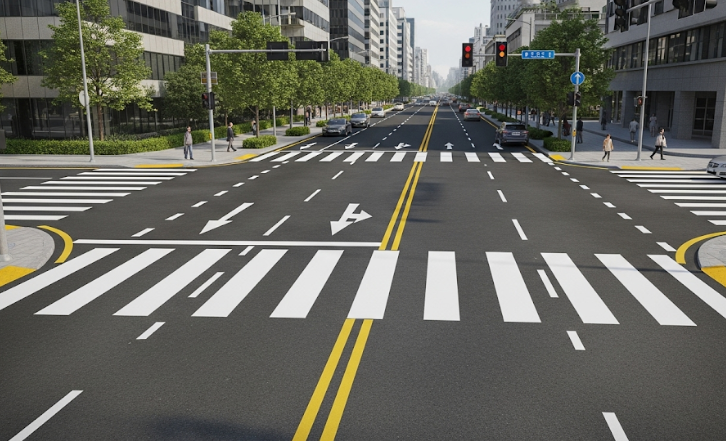
Urbanization is accelerating at a pace the world has never seen before. With millions of people moving into cities every year, the pressure on transportation systems continues to intensify. As governments, planners, and engineers search for ways to improve road safety and efficiency, one essential element often goes unnoticed: high-quality road-marking solutions. From highways to pedestrian zones, the quality of road markings plays a crucial role in ensuring safe mobility, reducing accidents, and guiding both drivers and pedestrians.
In recent years, road marking paint technologies have evolved significantly. What used to be simple layers of paint has now become a sophisticated blend of materials that enhance visibility, longevity, and overall performance. Among these innovations, thermoplastic coating systems have emerged as a preferred choice across many regions due to their durability and reflective properties. As cities strive to create safer and smarter road networks, understanding the importance of these marking systems becomes increasingly vital.
Why Modern Cities Need Better Road Marking Solutions
Modern transportation systems rely heavily on visual cues. Whether it’s lane dividers, pedestrian crossings, arrows, or warning signs, road markings form the language of the streets. They guide traffic flow, inform road users, and dramatically reduce confusion in busy areas. In growing cities where vehicle density is consistently rising, the importance of these markings cannot be overstated.
One of the major challenges in many regions is the harsh climate. Heavy rainfall, high temperatures, UV exposure, and continuous traffic can wear down standard paint quickly. This leads to faded markings that compromise safety. Poor visibility, especially at night or during storms, can significantly increase accident risks.
This is why high-performance reflective road paint has become an essential investment for municipalities and private contractors. These advanced solutions ensure that markings remain visible even under tough conditions. Urban infrastructure development increasingly prioritizes long-lasting and eco-friendly materials to reduce maintenance costs and improve safety standards.
Understanding the Advantages of Thermoplastic Road Markings
Thermoplastic road markings have become a global standard—and for good reason. Unlike regular paint, thermoplastic material is heated and applied in a thick layer. As it cools, it forms a highly durable coating that adheres strongly to the pavement surface. This makes it ideal for heavy-traffic areas such as highways, parking lots, and major intersections.
Some of the most notable advantages include:
1. Exceptional Durability
Thermoplastic markings can last several years longer than traditional paint. Their resistance to wear makes them especially useful in urban zones where traffic never stops. This extended lifespan means lower maintenance frequency, reducing long-term costs for public authorities and contractors.
2. Superior Visibility and Reflectivity
One of the biggest benefits of thermoplastic materials is their ability to incorporate reflective glass beads. These beads enhance nighttime visibility, which is crucial for road safety. Driver awareness is significantly improved when markings are brighter and more reflective, especially on poorly lit roads.
3. Faster Application Time
Thermoplastic coatings dry quickly, allowing roads to be reopened sooner. In busy cities, minimizing traffic disruptions is a top priority. The rapid curing properties help ensure efficient workflow during road construction or maintenance projects.
4. Environmentally Friendly Formulation
Many modern thermoplastic systems contain low-VOC materials, making them more eco-friendly. As sustainability becomes a global priority, these formulations help cities reduce environmental impact without sacrificing performance.
The Role of Road Markings in Enhancing Traffic Safety
Road accidents remain a major concern worldwide. While multiple factors contribute to collisions, poor road visibility is frequently cited as a root cause. Clear and bright markings help drivers maintain lane discipline, understand traffic flow, and respond appropriately to road conditions.
For example, pedestrian crossings must be highly visible to both drivers and walkers. When markings fade, people unknowingly step into unsafe zones, increasing the chances of accidents. Similarly, unclear lane dividers can cause confusion during lane changes, particularly at night.
High-quality markings contribute to:
- Improved night-time navigation
- Enhanced pedestrian safety
- Better traffic order during peak hours
- Reduced driver stress
- Lower chances of head-on collisions and lane drifting
Cities investing in advanced pavement marking technologies are ultimately investing in the lives and safety of their citizens.
Regional Demand for Thermoplastic Solutions
Across Asia, the demand for durable and weather-resistant marking materials has surged. Nations experiencing rapid urban growth are increasingly turning to thermoplastic solutions to ensure long-lasting road performance. In regions with tropical climates, where heavy rains and heat can quickly deteriorate traditional paint, thermoplastic materials demonstrate exceptional reliability.
The growing emphasis on safer roads, coupled with government initiatives to upgrade national transportation systems, has pushed municipalities to adopt better standards. Contractors now seek reliable suppliers that offer both quality and consistency in performance.
To explore options available in the region, many organizations look toward trusted providers. For example, solutions such as thermoplastic paint malaysia have gained attention due to their durability and suitability for diverse climates.
How Urban Planners Benefit From Better Marking Materials
Urban planners today face the difficult task of designing cities that can handle future traffic demands. As population density grows and more vehicles hit the roads, planners must integrate technologies that support long-term sustainability and safety.
High-quality road marking materials assist planners in several key ways:
Long-Term Infrastructure Planning
Since thermoplastic markings last longer, they align with long-term city planning strategies. Planners can design road networks that require less frequent maintenance, ensuring smoother operations and fewer disruptions.
Improved Smart City Integration
As smart traffic systems become more common, sensors and automated vehicles rely on clear surface markings for navigation. Self-driving technology, for instance, uses cameras and sensors that detect lane markings. Strong, reflective paints make these systems more reliable.
Cost-Effective Maintenance
Repeated repainting of roads can be costly. Using durable solutions helps cities reduce long-term expenditure while maintaining high safety standards.
Choosing the Right Road Marking Solution
With numerous options in the market, selecting the right road marking product requires consideration of climate, traffic density, and intended use. Here are some key factors decision-makers should evaluate:
- Surface type (asphalt vs. concrete)
- Weather conditions (heat, rain, humidity)
- Level of vehicle traffic
- Visibility requirements (day vs. night)
- Budget and long-term costs
- Environmental and safety regulations
Thermoplastic coatings are often the best choice for heavy-traffic and climate-challenging environments, but other high-quality paints may be suitable for less demanding areas.
Final Thoughts
Road markings may seem like a minor detail in the massive world of infrastructure development, but their influence is undeniable. High-quality, durable, and reflective markings contribute significantly to road safety, guiding millions of daily commuters and reducing accident risks. As cities continue to expand, investing in advanced marking solutions becomes not just an option but a necessity.
From durable road marking materials to innovative thermoplastic technologies, the future of urban mobility depends heavily on clear, reliable, and long-lasting pavement markings. Whether for highways, residential streets, industrial areas, or pedestrian zones, choosing the right marking system can transform the safety and functionality of an entire city.
If modern cities want safer roads, more organized traffic flow, and higher-quality infrastructure, they must prioritize the materials that shape the visual language of their streets. Clear markings save lives—and that alone makes them a critical investment for the future.