
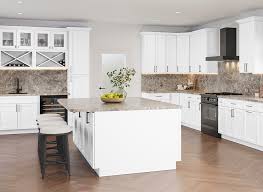
What Are RTA Cabinets?
Definition and Meaning of RTA
If you’ve ever planned a kitchen renovation and felt your budget slipping away like sand through your fingers, you’re not alone. Cabinets are often one of the most expensive parts of any remodeling project. That’s where RTA cabinets come into play. The term RTA stands for Ready-To-Assemble, which means these cabinets are delivered in flat-packed boxes and require assembly before installation.
Instead of arriving fully built like traditional cabinets, RTA cabinets come as individual components—panels, doors, drawers, and hardware—all neatly packaged. Think of it like buying furniture from IKEA, but with a more durable and professional-grade outcome. Each piece is pre-cut and pre-drilled, making the assembly process much easier than you might expect.
The appeal here is simple: you’re cutting out factory labor costs and reducing shipping expenses. Those savings get passed directly to you. Whether you’re a homeowner, contractor, or investor flipping properties, RTA cabinets offer a practical balance between affordability and quality. It’s not just about saving money—it’s about getting more value for every dollar you spend.
How RTA Cabinets Are Manufactured
Modern RTA cabinets are far from the cheap, flimsy products people often assume. Today’s manufacturing process uses precision machinery to ensure every panel fits perfectly. Components are produced using materials like plywood, MDF, or solid wood, depending on the price tier. Many premium RTA options even include features like dovetail joints, soft-close hinges, and concealed European hardware.
What makes this system efficient is the standardization. Cabinets are designed in fixed sizes, which allows manufacturers to produce them in bulk. This not only lowers production costs but also ensures consistent quality across every unit. You’re essentially getting factory-grade precision without paying premium custom prices.
Another advantage lies in logistics. Since these cabinets are flat-packed, they take up less space during shipping and storage. That means fewer damaged goods, faster delivery times, and easier handling. In many cases, RTA cabinets can be delivered within 1–3 weeks, compared to several months for custom cabinetry.
Why RTA Cabinets Are So Popular in 2026
Growth Trends in the Cabinet Industry
The popularity of RTA cabinets in 2026 isn’t just a coincidence—it’s driven by shifting market demands. Homeowners and contractors are now prioritizing cost efficiency, faster project timelines, and reliable quality. RTA cabinets tick all these boxes.
According to recent industry data, RTA cabinets can save 30–50% compared to pre-assembled cabinets and up to 75% compared to custom cabinetry. That’s a massive difference, especially when you consider that cabinetry can make up a large portion of your renovation budget.
Another factor fueling their growth is supply chain efficiency. Flat-pack shipping reduces transportation costs by 30–50%, making it easier for suppliers to maintain competitive pricing. As global logistics continue to evolve, this advantage becomes even more significant.
Who Should Choose RTA Cabinets
RTA cabinets aren’t just for DIY enthusiasts—they’re for anyone looking to maximize value. If you’re renovating on a budget, flipping houses, or managing rental properties, these cabinets are a smart choice. They’re also ideal for contractors who need predictable pricing and quick turnaround times.
Imagine you’re handling multiple renovation projects at once. Instead of waiting weeks or months for custom cabinets, you can order RTA units and have them ready within days. That speed translates directly into faster project completion and higher profitability.
Even homeowners who aren’t particularly handy can benefit. With clear instructions and pre-drilled components, assembly is surprisingly straightforward. Many people complete each cabinet in 10–20 minutes once they get the hang of it.
Key Features of RTA Cabinets
Materials and Construction
One of the biggest misconceptions about RTA cabinets is that they’re low quality. In reality, quality varies depending on the supplier. High-end RTA cabinets use solid plywood construction, which is durable and resistant to moisture. Lower-end options may use particleboard or MDF, which are more affordable but less robust.
Premium models often include advanced features like soft-close drawers and hinges, which prevent slamming and extend the lifespan of the cabinet. Dovetail joints—commonly found in expensive custom cabinets—are also available in many RTA options.
This means you’re not sacrificing durability for affordability. Instead, you’re choosing a smarter production and distribution model that reduces unnecessary costs while maintaining solid construction standards.
Design Styles and Finishes
When it comes to design, RTA cabinets have come a long way. You’re no longer limited to basic styles or outdated finishes. In fact, one of the most popular styles in 2026 is the Shaker design, known for its clean lines and timeless appeal.
You’ll find a wide range of finishes, from classic white and gray to bold modern tones. Whether you’re going for a minimalist kitchen or a traditional look, there’s likely an RTA option that fits your vision.
The beauty of RTA cabinets lies in their versatility. They work equally well in kitchens, bathrooms, offices, and even commercial spaces. It’s like having a customizable toolkit for your interior design needs—without the custom price tag.
Cost Breakdown of RTA Cabinets
Average Price in 2026
Let’s talk numbers, because this is where RTA cabinets really shine. In 2026, the average cost for RTA cabinets ranges from $100 to $300 per linear foot. For a standard 10×10 kitchen, you’re looking at around $1,200 to $4,400.
Compare that to custom cabinets, which can easily cost $15,000 to $25,000 or more for the same space. That’s a staggering difference. It’s like choosing between a luxury car and a reliable sedan—both get you where you need to go, but one doesn’t drain your bank account.
Cost Comparison Table
| Cabinet Type | Cost per Linear Foot | 10×10 Kitchen Cost | Lead Time | Savings |
| RTA Cabinets | $100–$300 | $1,200–$4,400 | 1–3 weeks | 50–75% |
| Pre-Assembled | $150–$400 | $2,000–$5,500 | 2–4 weeks | 30–50% |
| Semi-Custom | $200–$800 | $4,000–$12,000 | 4–6 weeks | 20–40% |
| Custom Cabinets | $500–$1,200 | $15,000–$25,000+ | 8–12 weeks | Baseline |
RTA vs Pre-Assembled vs Custom Cabinets
Key Differences Explained
The main difference comes down to assembly and cost. RTA cabinets require assembly, pre-assembled cabinets come ready to install, and custom cabinets are built specifically for your space.
RTA cabinets save money by eliminating factory assembly and reducing shipping costs. Pre-assembled cabinets save time but cost more. Custom cabinets offer the highest level of customization but come with the highest price tag and longest lead times.
Pros and Cons Comparison
RTA cabinets offer affordability and flexibility but require time and effort to assemble. Pre-assembled cabinets provide convenience but at a higher cost. Custom cabinets deliver unmatched design freedom but can be prohibitively expensive for many homeowners.
Advantages of RTA Cabinets
Budget-Friendly Benefits
The biggest advantage is obvious: cost savings. With potential savings of up to 75%, RTA cabinets make high-quality kitchen renovations accessible to a much wider audience.
You’re not just saving money—you’re reallocating it. That extra budget can go toward better countertops, appliances, or even additional renovations.
Easy Shipping and Storage
Flat-pack packaging makes RTA cabinets easier to transport and store. They take up less space, reduce shipping costs, and minimize the risk of damage during transit.
Disadvantages of RTA Cabinets
Assembly Time and Effort
Let’s be honest—assembly isn’t for everyone. While it’s relatively simple, it still requires time, tools, and patience. If you’re not comfortable with DIY projects, you might need to hire someone to assemble them.
Design Limitations
Because RTA cabinets are standardized, they don’t offer the same level of customization as custom cabinets. If your kitchen has unusual dimensions or unique design requirements, you may need to make adjustments.
Installation Guide for RTA Cabinets
Tools Required
You’ll typically need basic tools like a screwdriver, drill, level, and measuring tape. Nothing too fancy—just the essentials you probably already have at home.
Step-by-Step Installation Process
The process usually involves assembling the cabinet boxes, attaching doors and drawers, and then installing them on the wall. It’s a bit like putting together a puzzle—each piece has its place, and once everything clicks, the result is a fully functional cabinet system.
Best Uses for RTA Cabinets
Residential Projects
RTA cabinets are perfect for homeowners looking to renovate kitchens or bathrooms without overspending. They offer a great balance between style and affordability.
Commercial and Rental Projects
For investors and property managers, RTA cabinets are a game-changer. They allow you to renovate multiple units quickly and cost-effectively, maximizing your return on investment.
How to Choose the Best RTA Cabinets
Quality Checklist
Look for plywood construction, soft-close hardware, and solid joinery. These features indicate higher quality and longer durability.
Buying Tips for 2026
Always compare suppliers, read reviews, and check warranty options. Don’t just go for the cheapest option—focus on value instead.
Conclusion
RTA cabinets have transformed the way people approach kitchen remodeling. They offer a rare combination of affordability, quality, and flexibility that’s hard to beat. Whether you’re a homeowner, contractor, or investor, these cabinets provide a practical solution that doesn’t compromise on style or durability. In a world where costs are constantly rising, RTA cabinets stand out as a smart, efficient choice for modern living.